Unlocking the Potential: Understanding the Power of Enterprise AI Development
In today’s rapidly evolving business landscape, staying competitive means leveraging cutting-edge technologies. One such technology that’s been gaining increasing prominence is Artificial Intelligence (AI). Among the various applications of AI, enterprise AI development stands out as a transformative force that can redefine how businesses operate and interact with their customers.

The AI Revolution
Artificial Intelligence has come a long way since its inception. It has evolved from a concept of science fiction to a practical tool used across various industries. Machine Learning and Deep Learning are subsets of AI that have made significant strides in recent years, enabling computers to mimic human intelligence, learn from data, and make decisions.
In an enterprise context, AI is not just a buzzword; it is a game-changer. Let’s delve into the world of enterprise AI development and understand how it is revolutionizing the way businesses operate.
What is Enterprise AI Development?
Enterprise AI Development refers to the practice of developing and implementing AI solutions within an organization to address specific business challenges and opportunities. It involves a range of activities, from data collection and preprocessing to algorithm development and model deployment. The ultimate goal is to enhance operational efficiency, make data-driven decisions, and create personalized customer experiences.
The Power of Data
At the heart of any enterprise AI initiative lies data. Data is the raw material from which AI models derive their intelligence. With the growing volume of data generated by businesses, leveraging this data for insights is no longer a luxury but a necessity.
Through AI development, enterprises can extract valuable insights from their data. These insights can lead to improved decision-making, greater efficiency, and a competitive edge in the market.
Improving Customer Experiences
One of the most visible impacts of AI development in enterprises is the enhancement of customer experiences. Chatbots, recommendation systems, and personalized marketing are just a few examples of how AI can revolutionize the way businesses interact with their customers.
By analyzing historical data, AI models can understand customer preferences and behavior. They can then provide personalized recommendations, offer real-time assistance through chatbots, and create a seamless customer journey.
Use Cases of Enterprise AI Development
Enterprise AI development has a wide range of applications across industries. Here are a few prominent use cases:
1. Customer Service Enhancement
AI-powered chatbots and virtual assistants are becoming increasingly popular in providing real-time customer support. They can handle routine inquiries, freeing up human agents to tackle more complex issues. This not only improves efficiency but also enhances the customer experience.
2. Predictive Maintenance
In manufacturing and heavy industries, AI can predict equipment failures by analyzing sensor data. This allows businesses to perform maintenance proactively, reducing downtime and operational costs.
3. Fraud Detection
Financial institutions and e-commerce businesses leverage AI to detect fraudulent transactions in real-time. Machine learning models can analyze patterns and anomalies to flag potentially fraudulent activities.
4. Personalized Marketing
E-commerce platforms use AI to analyze user behavior and tailor product recommendations. This not only increases sales but also creates a more engaging shopping experience.
5. Supply Chain Optimization
AI can optimize supply chain operations by predicting demand, managing inventory, and optimizing routes for delivery. This reduces costs and ensures products are delivered efficiently.
6. Healthcare Diagnosis
AI models are used to analyze medical images, predict diseases, and assist in diagnosing conditions. They can help doctors make more accurate decisions and improve patient outcomes.
The Challenges of Enterprise AI Development
While the potential benefits of enterprise AI development are immense, there are challenges to overcome:
1. Data Quality and Availability
To build effective AI models, high-quality data is essential. Many organizations struggle with data quality, availability, and accessibility, which can hinder AI development efforts.
2. Skill Gap
AI development requires a team of skilled professionals, including data scientists, machine learning engineers, and domain experts. The shortage of AI talent can be a significant challenge for businesses.
3. Ethical Considerations
As AI systems make critical decisions, there are ethical concerns to address, such as bias in algorithms and data privacy. These issues require careful handling.
4. Integration
Integrating AI solutions into existing systems and processes can be complex. Ensuring seamless integration without disrupting operations is a challenge for many enterprises.
The Future of Enterprise AI Development
Despite the challenges, the future of enterprise AI development is promising. As technology continues to advance, AI solutions will become more accessible, adaptable, and affordable for businesses of all sizes.
Democratization of AI
Tools and platforms are emerging to democratize AI development, making it more accessible to businesses that may not have extensive in-house AI expertise. These platforms enable easier development and deployment of AI solutions.
Hyper-Personalization
AI will drive hyper-personalization in marketing and customer experiences. Businesses will use AI to offer personalized products and services, creating more engaged and loyal customer bases.
AI in Decision-Making
AI will play a more significant role in critical business decisions. Data-driven insights will inform strategies, helping businesses stay agile and competitive.
AI and Automation
AI-driven automation will become more prevalent in industries such as manufacturing, logistics, and healthcare. This will lead to greater efficiency and cost savings.
Enterprise AI development is not a trend; it is a transformation. It is about empowering businesses to harness the power of data and create more intelligent and efficient operations. As AI technologies continue to advance, the possibilities for enterprise AI development are endless, and its impact on the business world will be profound. Embracing AI development is no longer a choice; it’s a necessity for businesses looking to thrive in the digital age.
Transforming Customer Engagement: AI Chatbot Development Explained
Introduction:
In the fast-paced world of customer service and engagement, businesses are constantly seeking innovative ways to provide timely, efficient, and personalized support. One technology that has gained significant prominence in recent years is AI chatbots. These conversational agents powered by artificial intelligence have the potential to transform the way companies interact with their customers. In this article, we will explore the world of AI chatbot development, its impact on customer engagement, and the key considerations in building effective chatbots.

The Rise of AI Chatbots
AI chatbots, or simply chatbots, are computer programs designed to simulate human conversation, primarily through text or voice interactions. They use natural language processing (NLP) and machine learning algorithms to understand and respond to user queries. Chatbots have witnessed a remarkable surge in adoption across industries for various reasons:
- 24/7 Availability: Chatbots don’t need rest; they can provide support and information to customers around the clock, eliminating the constraints of human schedules.
- Instant Responses: AI chatbots can process and respond to queries within milliseconds, ensuring swift customer service and reducing waiting times.
- Scalability: Chatbots can handle a large volume of customer inquiries simultaneously, making them an efficient solution for businesses with fluctuating workloads.
- Cost-Effective: While chatbot development may require an initial investment, they prove cost-effective in the long run, as they reduce the need for a large customer support team.
- Personalization: With access to user data and AI capabilities, chatbots can provide highly personalized interactions, enhancing the customer experience.
Building an Effective Chatbot
Creating an effective chatbot involves a combination of technology, design, and strategy. Let’s delve into the key considerations for AI chatbot development.
1. Define Clear Objectives and Use Cases
Before embarking on chatbot development, it’s crucial to define the specific objectives and use cases. What tasks will the chatbot perform? What problems will it solve? Knowing the purpose of your chatbot guides the entire development process.
2. Choose the Right Technology Stack
Selecting the appropriate technology stack is a critical decision. This includes the choice of programming language, NLP libraries, and chatbot frameworks. Open-source platforms like Dialogflow, Microsoft Bot Framework, and Rasa NLU offer robust tools for chatbot development.
3. Data Collection and Preparation
AI chatbots rely on data to understand and respond to user queries. Gathering and preparing data, including text corpora and user interactions, is a fundamental step. Clean, relevant data is essential for training the chatbot’s NLP model.
4. Natural Language Processing (NLP) and Machine Learning
NLP is at the core of chatbot development. NLP algorithms enable the chatbot to understand the nuances of human language, making it capable of providing contextually relevant responses. Machine learning techniques, such as deep learning, are often used to train NLP models.
5. User Interface Design
The chatbot’s user interface should be intuitive and user-friendly. Consider the design elements, such as chat window layout, colors, and interactive features. A well-designed interface enhances the user experience.
6. Integration with Backend Systems
To provide real-time and accurate responses, chatbots often need to integrate with backend systems and databases. Integration ensures that the chatbot has access to up-to-date information.
7. Continuous Learning and Improvement
Chatbots should be capable of learning from user interactions and improving over time. Implement feedback loops and mechanisms to continually enhance the chatbot’s performance.
Use Cases of AI Chatbots
AI chatbots find application in a wide range of industries and scenarios. Here are a few notable examples:
1. Customer Support
Chatbots can handle common customer queries, provide product information, and troubleshoot issues, reducing the load on human support agents.
2. E-commerce
In the world of e-commerce, chatbots assist customers with product recommendations, order tracking, and even processing transactions.
3. Healthcare
Healthcare chatbots can offer medical advice, schedule appointments, and provide information about symptoms and conditions.
4. Finance
In the financial sector, chatbots can assist with account inquiries, transaction history, and even offer investment advice.
5. Travel and Hospitality
Chatbots can assist travelers with booking flights, hotels, and providing local information and recommendations.
6. Education
In the education sector, chatbots can answer student inquiries, assist with course enrollment, and provide study resources.
Challenges and Considerations
While AI chatbots offer tremendous potential, they come with their set of challenges:
- Data Privacy: Handling sensitive user information requires robust security measures to protect user privacy.
- Accuracy and Naturalness: Achieving human-like natural language understanding and generation remains a complex challenge.
- User Acceptance: Some users may still prefer human interaction, making it crucial to provide a seamless transition between chatbots and human agents.
- Maintenance and Updates: Chatbots require continuous maintenance, updates, and monitoring to ensure their effectiveness.
The Future of AI Chatbots
The future of AI chatbots is promising. As technology continues to advance, chatbots will become more sophisticated and capable of handling increasingly complex tasks. Additionally, the integration of AI chatbots with other emerging technologies like voice recognition and augmented reality will open new avenues for innovation.
AI chatbots have already revolutionized customer engagement and support across various industries. As businesses strive to provide more efficient and personalized services, chatbot development will continue to play a pivotal role. Whether it’s enhancing customer support, streamlining e-commerce, or providing medical assistance, chatbots are at the forefront of transforming customer interactions. With the right strategies, technology stack, and continuous improvement, AI chatbots have the potential to redefine the way we engage with businesses in the digital age.
Navigating the Landscape of MLOps Consulting Services: Ensuring Smooth Machine Learning Operations
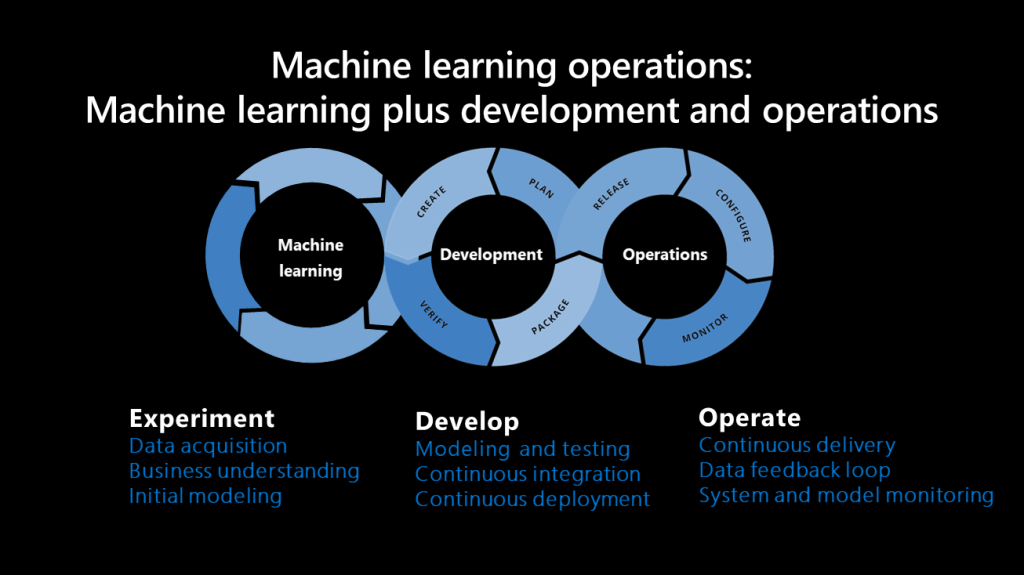
In the fast-paced world of machine learning, the development of sophisticated algorithms and models is only one piece of the puzzle. To truly harness the power of machine learning and artificial intelligence, organizations need to ensure that these models are seamlessly integrated into their operations. This is where MLOps consulting services come into play, providing crucial support in managing, deploying, and scaling machine learning solutions. In this article, we will explore the dynamic landscape of MLOps consulting services, their importance, key challenges, and how they can help organizations stay ahead in the AI-driven era.
The Rise of Machine Learning Operations (MLOps)
Machine learning operations, or MLOps, is an evolving field that aims to bring together the best practices from software development and data engineering. MLOps is essential for streamlining the machine learning lifecycle, from model development to deployment and maintenance. As the demand for AI and machine learning solutions has grown, so too has the need for MLOps consulting services.
MLOps encompasses a wide range of activities, including data management, model training, deployment, monitoring, and ongoing maintenance. To ensure that machine learning models deliver accurate and reliable results in a production environment, MLOps professionals collaborate with data scientists, engineers, and business stakeholders. Their role is to create a bridge between development and operations, making sure that models are effectively integrated into business processes.
Why MLOps Consulting Services Matter
- Seamless Deployment: One of the primary reasons why MLOps consulting services are crucial is to ensure the smooth deployment of machine learning models. Deploying models into a production environment can be complex, involving considerations such as infrastructure, scalability, and security. MLOps experts help organizations navigate these challenges.
- Reduced Risk: Machine learning models can have a significant impact on business operations. Therefore, minimizing the risk associated with their deployment is of utmost importance. MLOps consulting services help in risk assessment, compliance, and ensuring that models meet the required standards.
- Scalability: As the demand for machine learning applications grows, organizations need to scale their operations. MLOps consulting services provide guidance on how to scale machine learning workflows and infrastructure efficiently.
- Continuous Monitoring and Improvement: MLOps professionals help in setting up monitoring systems to ensure that machine learning models continue to perform well. They also assist in model retraining and improvement, which is vital for maintaining model accuracy.
Key Components of MLOps Consulting Services
MLOps consulting services encompass a variety of components that work together to create a cohesive process. Some of the key components include:
1. Data Management
Effective MLOps starts with data. Data management involves collecting, cleaning, and storing data for model training. MLOps consultants help organizations create robust data pipelines that can handle large datasets efficiently.
2. Model Development and Training
MLOps professionals collaborate with data scientists and machine learning engineers to develop and train models. They help in selecting the right algorithms, optimizing hyperparameters, and ensuring reproducibility in model training.
3. Deployment and Integration
Deploying machine learning models into a production environment requires careful planning. MLOps consultants assist in selecting the right deployment platform, setting up APIs, and integrating models with existing systems.
4. Monitoring and Governance
Continuous monitoring is essential to ensure that machine learning models perform as expected. MLOps consultants help in setting up monitoring systems that track model performance and trigger alerts when issues arise.
5. Automation
Automation plays a significant role in MLOps. MLOps consultants help organizations automate various tasks, such as model deployment, scaling, and monitoring, to increase efficiency and reduce manual errors.
6. Collaboration and Communication
Effective communication and collaboration among different teams are critical in MLOps. MLOps consultants facilitate communication between data scientists, engineers, and business stakeholders, ensuring that everyone is on the same page.
Challenges in MLOps Implementation
While MLOps consulting services provide valuable support, organizations may encounter several challenges during MLOps implementation:
1. Data Quality and Availability
High-quality data is the foundation of machine learning models. Many organizations struggle with data quality and availability issues, which can hinder MLOps efforts. MLOps consultants help address these challenges by setting up data pipelines and quality checks.
2. Security and Compliance
Ensuring that machine learning models adhere to security and compliance standards is vital. MLOps consultants assist in implementing security measures and ensuring that models comply with relevant regulations.
3. Talent and Training
Finding and retaining skilled MLOps professionals can be challenging. MLOps consulting services can bridge this gap by providing expertise and training to existing teams.
4. Scaling Challenges
As machine learning usage grows, organizations face the challenge of scaling their operations. MLOps consultants help in designing scalable architectures and workflows.
5. Model Governance
Maintaining and governing machine learning models throughout their lifecycle is a complex task. MLOps consulting services assist in setting up governance frameworks and best practices.
Real-World Examples of MLOps Success
To illustrate the impact of MLOps consulting services, let’s explore a few real-world examples:
1. Online Retailer’s Inventory Management
An online retailer turned to MLOps consulting services to optimize its inventory management. By implementing MLOps practices, they were able to forecast demand more accurately, reduce overstock and stockouts, and improve overall efficiency.
2. Healthcare Predictive Analytics
A healthcare provider leveraged MLOps consulting to deploy predictive analytics models for patient risk assessment. This allowed them to allocate resources more effectively and reduce patient readmissions.
3. Financial Fraud Detection
A financial institution implemented MLOps consulting to enhance its fraud detection system. With continuous monitoring and model retraining, they significantly improved the accuracy of identifying fraudulent transactions.
The Future of MLOps Consulting Services
The field of MLOps consulting is continuously evolving to meet the growing demands of organizations in the AI and machine learning landscape. Some key trends to watch for in the future include:
- AutoML Integration: MLOps consulting services will likely incorporate AutoML (Automated Machine Learning) solutions to speed up the model development process.
- Explainability and Interpretability: As the importance of understanding and explaining model decisions grows, MLOps consulting will focus on ensuring that models are interpretable and transparent.
- Hybrid and Multi-Cloud Deployments: Organizations will increasingly explore hybrid and multi-cloud strategies for machine learning model deployment, requiring MLOps consultants to adapt to these environments.
- AI Ethics and Bias Mitigation: Ensuring ethical AI and mitigating bias will be a significant focus of MLOps consulting services to address growing concerns in AI.
- AI Governance and Compliance: MLOps consulting will extend its support to AI governance and compliance as regulations around AI and data usage become more stringent.
MLOps consulting services are indispensable for organizations looking to maximize the value of their machine learning initiatives. They provide the expertise and guidance needed to overcome the challenges associated with MLOps and ensure that machine learning models are seamlessly integrated into production environments. As AI and machine learning continue to transform industries, the role of MLOps consulting services will only become more critical in delivering real business impact through data-driven decision-making and innovation. With the right MLOps strategy and the support of experienced consultants, organizations can stay ahead in the AI-driven era.
AI as a Service: Revolutionizing Access to Advanced AI Capabilities
In the rapidly evolving landscape of artificial intelligence (AI), a remarkable transformation is occurring. Enterprises are no longer bound by the traditional, resource-intensive approach to AI development. Instead, they are increasingly turning to AI as a Service (AIaaS) to access cutting-edge AI capabilities without the need for extensive in-house development. This paradigm shift is revolutionizing the way businesses leverage AI, offering a more accessible, cost-effective, and scalable means of harnessing the power of artificial intelligence.

The Rise of AI as a Service
The traditional approach to AI development demanded substantial investments in talent, infrastructure, and time. Building AI models from scratch and maintaining them required a team of specialized AI researchers, data scientists, and engineers, as well as dedicated hardware and software resources. The costs and complexity often acted as barriers, limiting the adoption of AI to only the largest and most tech-savvy organizations.
AI as a Service, however, flips this script entirely. It offers an alternative model where advanced AI capabilities are provided through cloud-based platforms, allowing businesses to access a wide range of AI services without the need to create and maintain AI infrastructure. This shift in approach has democratized AI, making it accessible to a broader range of enterprises, regardless of their size or industry.
The Advantages of AI as a Service
1. Cost Efficiency
One of the most significant advantages of AI as a Service is cost efficiency. Instead of investing in building and maintaining complex AI systems, businesses pay for AI capabilities as a service. This pay-as-you-go model eliminates the need for large upfront investments and allows organizations to scale AI usage based on their specific needs and budget.
2. Accessibility
AI as a Service providers offer a wide array of AI tools and services, making advanced AI capabilities accessible to businesses of all sizes. Whether you’re a startup looking to implement AI for the first time or an established enterprise seeking to enhance your existing AI infrastructure, AIaaS allows you to access the tools you need.
3. Scalability
Scalability is a key feature of AI as a Service. As your business grows, your AI needs can be easily scaled up or down without the hassle of reconfiguring or expanding in-house AI infrastructure. This flexibility ensures that AI can adapt to your evolving business requirements.
4. Time Efficiency
Developing AI models from scratch can be a time-consuming process. With AI as a Service, you can leverage pre-built AI models, APIs, and tools that are ready to use. This not only accelerates your AI projects but also enables your team to focus on application and customization rather than the intricacies of model development.
Applications Across Industries
AI as a Service is not limited to any specific industry. Its versatility and adaptability have led to adoption across a wide range of sectors:
1. Healthcare
In healthcare, AI as a Service is used for medical imaging analysis, drug discovery, and patient data management. This technology aids in diagnosing diseases, improving patient outcomes, and managing healthcare operations more efficiently.
2. E-Commerce
Online retailers leverage AI as a Service for customer recommendation engines, demand forecasting, fraud detection, and chatbots. These AI applications enhance the shopping experience and increase operational efficiency.
3. Finance
The financial sector employs AIaaS for fraud detection, algorithmic trading, credit risk assessment, and customer service chatbots. This technology enhances security, automates processes, and offers more personalized customer experiences.
4. Manufacturing
Manufacturers use AI as a Service for predictive maintenance, quality control, and supply chain optimization. AI-driven solutions reduce downtime, improve product quality, and enhance operational efficiency.
5. Customer Service
Across various industries, chatbots and virtual assistants powered by AI as a Service are revolutionizing customer service. They offer instant responses, 24/7 availability, and personalized interactions, leading to improved customer satisfaction.
Key AI as a Service Providers
Several major players are leading the way in the AI as a Service landscape:
1. Amazon Web Services (AWS) AI Services
AWS offers a comprehensive suite of AI services, including Amazon SageMaker for machine learning model development and Amazon Lex for building chatbots and natural language processing applications.
2. Google Cloud AI
Google Cloud provides a range of AI tools and services, such as Google AI Platform and Dialogflow for chatbot development.
3. Microsoft Azure AI
Microsoft’s Azure AI platform offers various AI services, including Azure Machine Learning for model development and Azure Bot Service for chatbots.
4. IBM Watson
IBM Watson provides AI services, including Watson Studio for machine learning and Watson Assistant for chatbots and virtual agents.
5. Salesforce Einstein
Salesforce Einstein is a powerful AI platform for customer relationship management, offering AI-driven insights and predictive analytics.
Challenges and Considerations
While AI as a Service offers numerous benefits, there are some challenges and considerations to keep in mind:
1. Data Privacy and Security
When using external AI services, organizations must consider data privacy and security. Ensuring compliance with regulations like GDPR and HIPAA is crucial.
2. Integration with Existing Systems
Integrating AI as a Service with existing systems and data can be complex. Compatibility and seamless data flow are essential for successful implementation.
3. Vendor Lock-In
Depending too heavily on one AIaaS provider can lead to vendor lock-in. Diversifying your AI solutions or ensuring portability may mitigate this risk.
4. Customization and Flexibility
While AIaaS offers pre-built solutions, some organizations may require highly customized AI models. It’s important to assess the level of customization available with your chosen provider.
The Future of AI as a Service
The future of AI as a Service is promising. As technology continues to advance, AIaaS providers are likely to offer even more sophisticated and specialized AI solutions. This will further empower businesses to leverage AI in novel ways and drive innovation in their respective industries.
AI as a Service is transforming the way organizations adopt and utilize artificial intelligence. Its cost-efficiency, accessibility, scalability, and time-saving features make it a compelling choice for businesses seeking to harness the power of AI without the traditional barriers. With a multitude of use cases across various industries, AI as a Service is leveling the playing field and ushering in a new era of innovation and efficiency. As the AI landscape continues to evolve, the role of AI as a Service will undoubtedly become even more central in the strategies of forward-thinking enterprises.
Stable Diffusion Developers: Pioneering the Future of AI Models
Artificial Intelligence (AI) has rapidly evolved in recent years, pushing the boundaries of what machines can achieve. The development of AI models has been a key driver of this progress. Among the many breakthroughs in the field, one concept stands out as particularly promising: Stable Diffusion. In this article, we will explore the emerging technology of Stable Diffusion, its significance in AI model development, and the vital role that developers play in advancing this groundbreaking field. Furthermore, we will delve into case studies and examples of its practical application, showcasing its transformative potential.

The Rise of Stable Diffusion
Stable Diffusion, as a technology, represents a significant leap forward in the world of AI model development. It is a deep generative model framework that offers a novel approach to training neural networks. This technique, pioneered by researchers in the AI community, has attracted considerable attention due to its ability to address some of the long-standing challenges in AI.
The concept of Stable Diffusion can be distilled into one primary goal: to make AI models more reliable, robust, and efficient. Traditional AI models often struggle with issues like overfitting, poor generalization, and instability during training. Stable Diffusion, however, aims to tackle these issues head-on by providing a stable and consistent training process for AI models.
The Significance of Stable Diffusion in AI Model Development
1. Improved Model Robustness
One of the most critical aspects of AI model development is ensuring that the models can perform reliably under various conditions. Stable Diffusion offers the promise of enhanced model robustness. This means that AI models developed using Stable Diffusion are less prone to errors and unexpected behaviors, making them more dependable in real-world applications.
2. Generalization Across Diverse Datasets
AI models should not only perform well on the data they were trained on but should also generalize effectively to unseen data. Stable Diffusion provides a more reliable path to achieving strong generalization, which is crucial for the success of AI systems in domains ranging from healthcare to autonomous driving.
3. Enhanced Training Efficiency
Stable Diffusion not only focuses on model performance but also on the efficiency of the training process. By reducing the training time and computational resources required to develop AI models, it makes AI development more accessible and cost-effective.
4. Consistent Model Outputs
Another critical aspect of AI model development is the consistency of model outputs. Stable Diffusion aims to create models that produce consistent results, which is vital for applications like natural language processing, image recognition, and recommendation systems.
The Role of Developers in Advancing Stable Diffusion
Developers are at the forefront of pioneering Stable Diffusion and pushing the boundaries of AI. They play a crucial role in advancing this field by:
1. Implementing Stable Diffusion Frameworks
Developers are responsible for implementing Stable Diffusion frameworks in their AI projects. They need to understand the theoretical underpinnings of Stable Diffusion and apply this knowledge to develop models that benefit from its stability and robustness.
2. Experimentation and Innovation
Experimentation is at the heart of AI model development. Developers engage in extensive experimentation to fine-tune the application of Stable Diffusion, test its limits, and discover new ways to leverage the technology. This spirit of innovation drives the evolution of Stable Diffusion.
3. Collaboration and Knowledge Sharing
The AI community thrives on collaboration and knowledge sharing. Developers actively engage in discussions, share insights, and work together to address challenges and advance Stable Diffusion as a collective effort.
Case Studies: Applying Stable Diffusion in Real-World Scenarios
Now, let’s explore some case studies that demonstrate the practical application of Stable Diffusion in various domains:
1. Medical Imaging
In the field of medical imaging, the reliable interpretation of X-rays, MRIs, and CT scans is of paramount importance. AI models developed using Stable Diffusion have shown significant promise in improving the accuracy of medical image analysis. For instance, these models can assist radiologists in detecting abnormalities, reducing the risk of misdiagnoses, and improving patient outcomes.
2. Autonomous Vehicles
Stable Diffusion is making a remarkable impact in the development of AI systems for autonomous vehicles. These systems need to handle complex, real-world scenarios and ensure the safety of passengers and pedestrians. AI models developed with Stable Diffusion demonstrate superior robustness, enabling autonomous vehicles to navigate challenging conditions with greater confidence.
3. Natural Language Processing
In the realm of natural language processing, Stable Diffusion plays a pivotal role in training language models that are more coherent and context-aware. Such models can be applied to a wide range of tasks, including language translation, sentiment analysis, and content generation. As a result, they enhance the user experience and the accuracy of AI-powered language processing applications.
4. Financial Forecasting
Financial markets are highly dynamic and unpredictable. AI models developed using Stable Diffusion are helping financial institutions make more accurate predictions and mitigate risks. These models have the potential to transform financial forecasting by providing more stable and reliable insights into market trends.
The Future of Stable Diffusion
As developers continue to embrace and advance Stable Diffusion, the future of AI model development looks promising. The technology holds the potential to bring AI closer to human-level understanding and reasoning.
The ongoing research in Stable Diffusion is likely to lead to even more efficient training methods and further improvements in model robustness. This will open doors to new applications across diverse industries and domains, expanding the horizons of AI.
Conclusion
Stable Diffusion is not just a buzzword in the AI community; it is a groundbreaking technology that is shaping the future of AI model development. Its significance lies in its ability to create robust, efficient, and reliable AI models that have a broad range of applications. Developers, with their innovation and dedication, are the driving force behind the advancements in Stable Diffusion, pushing the boundaries of what AI can achieve.
As we’ve seen through various case studies, Stable Diffusion is already making a difference in fields like healthcare, autonomous driving, natural language processing, and finance. The path ahead holds even more exciting possibilities, as researchers and developers work hand in hand to explore the full potential of this transformative technology. Stable Diffusion is indeed pioneering the future of AI models, and its journey has only just begun.
Unlocking Data Insights: Machine Learning and Data Science Consulting Services
In today’s data-driven world, organizations are inundated with vast amounts of information. This data, when harnessed effectively, can be a powerful tool for making informed decisions, gaining a competitive edge, and driving innovation. However, many businesses struggle to unlock the full potential of their data due to its sheer volume and complexity. This is where Machine Learning and Data Science Consulting Services come to the rescue. In this article, we will explore the pivotal role of these consulting services in helping organizations turn raw data into valuable insights and actionable strategies.

The Data Deluge: A Blessing and a Curse
The digital age has ushered in an unprecedented era of data abundance. Businesses collect data on customer behavior, sales, operations, and various other aspects of their operations. This data is the raw material for informed decision-making. However, this abundance of data can quickly turn into a curse if it remains untapped and unprocessed. Here’s where the challenge lies:
1. Volume and Variety
The volume and variety of data generated in modern business operations can be staggering. This includes structured data, like sales figures and customer demographics, as well as unstructured data such as social media posts, customer reviews, and sensor data. Dealing with diverse data types and sources is a complex endeavor.
2. Complexity and Noise
Not all data is useful, and noise and redundancy can make it challenging to identify valuable information. Without the right tools and expertise, organizations may spend resources sifting through irrelevant data.
3. Data Integration
For a holistic view of operations and customer interactions, data from various sources needs to be integrated. This integration is often far from straightforward, especially for legacy systems.
4. Scalability
As a business grows, so does the volume of data. Scalability is a critical concern to ensure that data analysis systems can handle increasing loads.
The Rise of Machine Learning and Data Science
Enter Machine Learning (ML) and Data Science (DS). These disciplines, powered by artificial intelligence, offer the promise of turning data chaos into valuable insights and predictions. Machine Learning enables systems to learn from data and make predictions or decisions without being explicitly programmed. Data Science, on the other hand, is a broader field encompassing data cleaning, preparation, and analysis.
The synergy between ML and DS is the key to transforming raw data into actionable insights. But here’s the challenge: not every organization has the expertise or resources to build and maintain such capabilities in-house. This is where consulting services come into play.
Understanding Machine Learning and Data Science Consulting Services
Machine Learning and Data Science Consulting Services provide organizations with access to expert knowledge, cutting-edge tools, and a systematic approach to dealing with data. These services offer a range of benefits:
1. Expertise
Consulting firms have teams of data scientists, machine learning engineers, and domain experts who understand the nuances of different industries. Their expertise is invaluable in tackling industry-specific problems.
2. Data Strategy Development
Consultants work with organizations to develop a data strategy aligned with business goals. This includes identifying data sources, setting up data pipelines, and defining KPIs.
3. Customized Solutions
One size does not fit all. Consulting services tailor their solutions to the specific needs of each organization. Whether it’s predictive analytics, natural language processing, or computer vision, the solutions are customized.
4. Data Quality and Cleaning
A significant part of data analysis involves cleaning and preparing the data. Consulting services employ best practices to ensure data quality, reducing the risk of drawing incorrect conclusions.
5. Advanced Analytics
Machine learning algorithms, statistical models, and deep learning techniques are used to extract insights from data. This enables organizations to make predictions, identify trends, and optimize processes.
6. Scalability
Consulting services often provide scalable solutions. As data volumes grow, systems can be expanded to accommodate the increased workload.
Use Cases: Where Machine Learning and Data Science Shine
Let’s dive into some practical applications of Machine Learning and Data Science consulting services:
1. Predictive Maintenance
In industries like manufacturing and transportation, Machine Learning is used to predict when equipment might fail. By analyzing sensor data, consultants can build models that help organizations schedule maintenance proactively, reducing downtime and saving costs.
2. Customer Segmentation
For businesses in retail and e-commerce, understanding customer behavior is crucial. Data Science consultants use clustering algorithms to segment customers based on their preferences and purchase history. This information helps in targeted marketing and product recommendations.
3. Anomaly Detection
In cybersecurity, Machine Learning can be used to identify anomalous activities in network traffic. This is crucial for detecting potential security breaches and responding in real-time.
4. Language Processing
For organizations in content generation and customer support, natural language processing models can be used to automate responses to customer inquiries, improving response times and efficiency.
5. Financial Forecasting
Machine Learning models can analyze historical financial data to make predictions about stock prices or currency exchange rates. This is invaluable for financial institutions and investors.
The Challenges of Data Privacy and Ethics
As organizations collect and analyze more data, concerns about data privacy and ethics become increasingly important. Consulting services must address these challenges by adhering to best practices and legal requirements. This includes ensuring that data is anonymized and protecting against bias in models.
The Future of Machine Learning and Data Science Consulting
The field of Machine Learning and Data Science is dynamic, and it continues to evolve. Consulting services must stay at the forefront of these changes to provide cutting-edge solutions to their clients. Some emerging trends include:
1. Explainable AI (XAI)
Explainable AI is becoming more critical as organizations seek to understand how AI models make decisions. Consulting services need to develop and use models that can provide transparent explanations for their predictions.
2. AI in Healthcare
The healthcare industry is increasingly adopting AI for disease diagnosis, patient care, and drug discovery. Consultants with expertise in healthcare AI are in high demand.
3. Ethical AI Audits
With growing concerns about the ethical implications of AI, consulting services may offer ethical audits to ensure AI systems comply with regulations and ethical standards.
Conclusion: Data-Driven Success
In a world overflowing with data, organizations that can harness it effectively are positioned for success. Machine Learning and Data Science Consulting Services bridge the gap between data and insights, providing expertise, strategies, and scalable solutions. Whether it’s predicting equipment failures, understanding customer behavior, or enhancing cybersecurity, these services empower businesses to make data-driven decisions that lead to growth and innovation. As the field of AI continues to advance, the role of consulting services in unlocking the potential of data will only become more critical. So, if your organization is looking to tap into the treasure trove of data, consider enlisting the help of Machine Learning and Data Science consulting experts. Your data holds the key to your organization’s future success.
 Archie Evans Info