In today’s fast-paced and highly competitive business landscape, pricing strategies play a pivotal role in an organization’s success. The introduction of Artificial Intelligence (AI) in pricing engines has significantly transformed the way businesses set prices, offering more accurate and dynamic solutions. In this article, we’ll explore the impact of AI in pricing engines, how it’s revolutionizing business strategies, and the benefits it brings.
The Emergence of AI Pricing Engines
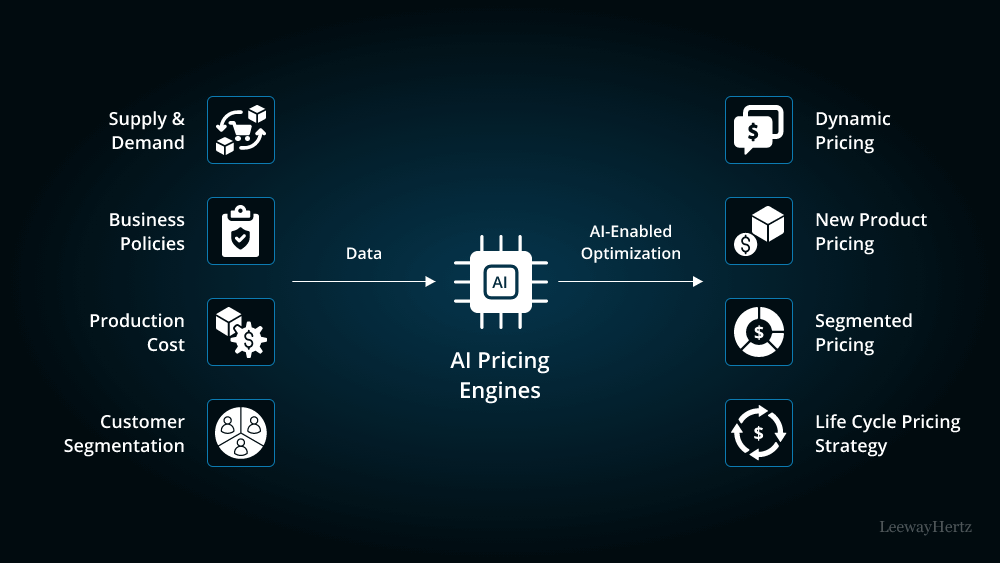
AI pricing engines have emerged as a game-changer in the world of business. These advanced systems use machine learning algorithms to analyze various factors, including market dynamics, customer behavior, competitor pricing, and even real-time data, to determine the optimal price for products or services. They go beyond traditional rule-based pricing models to provide a more dynamic and data-driven approach.
Key Benefits of AI Pricing Engines
1. Real-time Data Analysis
One of the key advantages of AI pricing engines is their ability to analyze real-time data. They can process vast amounts of information instantly, allowing businesses to adapt to changing market conditions and customer preferences swiftly.
2. Dynamic Pricing
AI pricing engines offer dynamic pricing strategies, adjusting prices based on demand, inventory levels, and even the competition. This flexibility helps organizations maximize profits and minimize losses.
3. Personalized Pricing
AI can analyze customer data to offer personalized pricing for individual customers. This tailored approach enhances customer satisfaction and increases loyalty.
4. Competitive Edge
By continuously monitoring competitors’ prices and making real-time adjustments, AI pricing engines help companies maintain a competitive edge in their respective markets.
5. Improved Profit Margins
AI pricing engines optimize pricing to maximize profit margins. They take into account various factors, including costs, demand elasticity, and historical data to set the best price for each product or service.
How AI Powers Pricing Engines
Machine Learning Algorithms
AI pricing engines utilize machine learning algorithms to process and analyze data. These algorithms can identify complex patterns and relationships in data that are often too intricate for human analysis. They continuously learn and adapt from new data, making them exceptionally effective in pricing optimization.
Predictive Analytics
Predictive analytics is a key component of AI pricing engines. By examining historical data and trends, these systems can forecast future demand and adjust pricing accordingly. This capability is especially useful for businesses with seasonal or fluctuating sales patterns.
Customer Segmentation
AI pricing engines often incorporate customer segmentation techniques. By categorizing customers based on their behavior, preferences, and purchase history, businesses can offer personalized pricing and promotional strategies that cater to individual segments.
Competitive Intelligence
Monitoring the competition is a critical aspect of pricing strategy. AI pricing engines track competitors’ prices, promotions, and market positioning. They can then provide recommendations on adjusting prices to maintain or improve market share.
Price Sensitivity Analysis
AI can assess the sensitivity of customers to price changes. This analysis helps businesses understand how demand for their products or services fluctuates as prices change. It enables them to strike a balance between profit maximization and customer retention.
Use Cases of AI Pricing Engines
AI pricing engines have found applications across various industries. Here are some examples:
E-commerce
Online retailers use AI pricing engines to set competitive prices, run flash sales, and offer personalized discounts to individual customers based on their browsing and purchasing history.
Hospitality
Hotels and airlines adjust their pricing dynamically based on factors like occupancy rates, booking patterns, and demand. AI pricing engines help them maximize revenue during peak periods and minimize losses during off-peak times.
Finance
Financial institutions use AI pricing engines to determine interest rates on loans, credit cards, and mortgages, taking into account an applicant’s creditworthiness and market conditions.
Manufacturing
Manufacturers use AI pricing engines to optimize product pricing based on material costs, production efficiency, and market demand. This ensures that they remain competitive and profitable.
Subscription Services
Companies offering subscription-based services, such as streaming platforms, use AI pricing engines to tailor pricing and offers to individual subscribers, promoting customer retention and upselling.
Challenges and Considerations
While AI pricing engines offer immense benefits, there are several challenges and considerations to address:
Data Privacy
AI pricing engines require access to customer data, which raises concerns about data privacy. Companies must ensure they comply with data protection regulations and prioritize data security.
Ethical Concerns
There is a fine line between personalized pricing and discriminatory pricing. Businesses must navigate this ethical challenge by ensuring that their pricing strategies are fair and non-discriminatory.
Implementation Costs
Implementing AI pricing engines can be costly. Companies need to weigh the potential return on investment against the expenses associated with developing and maintaining such systems.
Transparency
AI pricing models can be complex, making it difficult to explain pricing decisions to customers. Maintaining transparency in pricing algorithms is essential to build trust with consumers.
Conclusion
AI pricing engines represent a significant advancement in pricing strategies. They offer businesses the ability to set optimal prices that maximize profitability, respond to market dynamics, and provide personalized offerings to customers. While there are challenges to address, the benefits of AI pricing engines are undeniable. As technology continues to evolve, these systems are likely to become even more sophisticated, further revolutionizing how businesses set prices and stay competitive in a dynamic market. AI pricing engines are no longer the future; they are the present, reshaping the pricing landscape for businesses of all sizes and industries.
 Archie Evans Info