Introduction:
In the dynamic landscape of software development, Learning Management Systems (LLMS) play a pivotal role in delivering effective training and educational content. As organizations increasingly rely on these systems, ensuring their seamless operation in a production environment becomes imperative. This article explores the intricacies of LLM testing in production, offering insights and strategies to master this critical aspect of software quality assurance.
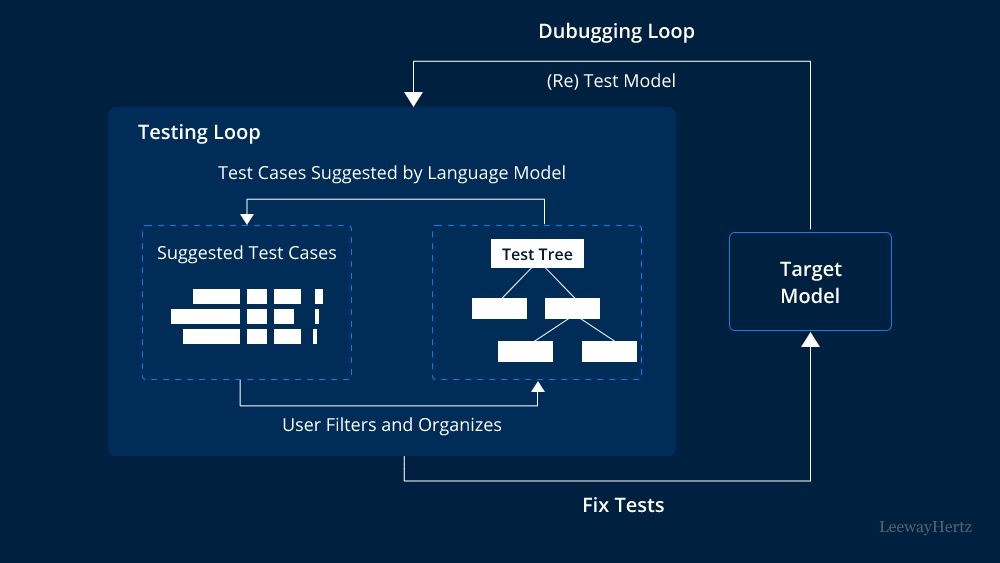
I. Understanding the Significance of LLM Testing:
Before delving into the specifics of LLM testing in production, it’s crucial to recognize the importance of thorough testing in the realm of Learning Management Systems. LLMs are intricate platforms that handle diverse functionalities such as content delivery, user management, and assessment tracking. Flaws or glitches in these systems can result in significant disruptions to learning experiences, making robust testing an absolute necessity.
II. Key Challenges in LLM Testing:
Testing LLMs in a production environment presents unique challenges due to the real-time nature of user interactions and the vast amount of data being processed. Among the key challenges are:
a. Scalability: Ensuring that the LLM can handle a growing number of users and data without compromising performance.
b. Data Integrity: Verifying that user data, progress, and assessment results remain accurate and consistent across the system.
c. User Experience: Testing the user interface and overall user experience to identify and address any usability issues.
III. Strategies for Effective LLM Testing in Production:
To address the challenges mentioned above, adopt a comprehensive testing strategy tailored for LLMs in a production environment. Here are key strategies to consider:
a. Automated Testing:
Implement automated testing scripts to simulate user interactions, assess system response times, and validate the functionality of critical features. Automated testing accelerates the testing process and ensures consistency in test execution.
b. Load Testing:
Conduct load testing to evaluate how the LLM performs under different levels of user activity. This helps identify bottlenecks and scalability issues, ensuring the system can handle a large number of concurrent users without degradation in performance.
c. Data Validation:
Regularly validate the integrity of user data, progress records, and assessment results. Implement data validation checks to detect discrepancies and ensure that the LLM accurately reflects user interactions.
d. Usability Testing:
Prioritize usability testing to evaluate the overall user experience. Identify and rectify any issues related to navigation, accessibility, and user interface design to enhance the end-user experience.
e. Continuous Monitoring:
Implement continuous monitoring tools to track the system’s performance in real-time. This allows for proactive identification and resolution of potential issues before they impact users.
IV. Real-world LLM Testing Scenarios:
To further illustrate the practical application of LLM testing in production, consider the following scenarios:
a. Simulated User Engagement:
Use automated scripts to simulate real user engagement scenarios, including content consumption, assessments, and interactions with collaborative features. This helps assess the system’s responsiveness and functionality under realistic conditions.
b. Scalability Testing:
Gradually increase the user load to evaluate how well the LLM scales. Identify the point at which performance begins to degrade and implement optimizations to ensure scalability.
c. Data Consistency Checks:
Regularly compare data stored in the LLM with external sources to verify data consistency. This is particularly important when integrating with external systems or when manual data inputs are involved.
Conclusion:
In the ever-evolving landscape of e-learning and training, LLMs are indispensable tools. Ensuring their reliability and performance in a production environment requires a strategic and proactive approach to testing. By embracing automated testing, load testing, data validation, usability testing, and continuous monitoring, organizations can master LLM testing in production and deliver a seamless and efficient learning experience for users. As technology continues to advance, staying ahead in LLM testing is not just a best practice; it is a necessity for organizations committed to providing top-tier learning solutions.
 Archie Evans Info