In the ever-evolving landscape of supply chain management, businesses are constantly seeking innovative solutions to streamline operations, reduce costs, and enhance overall efficiency. One such groundbreaking technology making waves in the industry is Generative Artificial Intelligence (AI). This cutting-edge application of AI is transforming the way businesses manage their supply chains, offering unprecedented opportunities for optimization and innovation.
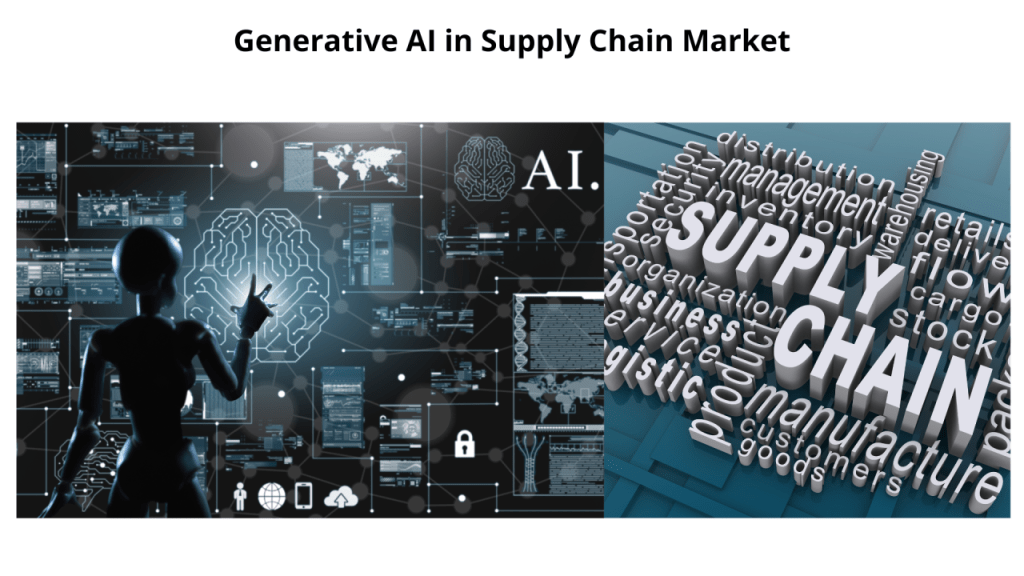
Understanding Generative AI in Supply Chain
Generative AI, a subset of artificial intelligence, involves the use of algorithms to generate new content, ideas, or solutions based on patterns learned from existing data. In the context of supply chain management, Generative AI leverages vast datasets to create predictive models, optimize processes, and generate insights that can drive informed decision-making.
1. Predictive Analytics for Demand Forecasting
Generative AI plays a pivotal role in predicting future demand patterns with remarkable accuracy. By analyzing historical sales data, market trends, and external factors, AI algorithms can generate predictive models that help businesses anticipate product demand. This enables companies to optimize inventory levels, reduce stockouts, and minimize excess inventory, ultimately improving overall supply chain efficiency.
2. Dynamic Route Optimization
Efficient logistics is a cornerstone of successful supply chain management. Generative AI enables dynamic route optimization by considering real-time variables such as traffic conditions, weather, and transportation costs. This ensures that goods are transported using the most efficient routes, reducing delivery times and cutting down on fuel costs. The result is a more agile and responsive supply chain system.
Benefits of Integrating Generative AI in Supply Chain Management
1. Cost Reduction and Resource Optimization
Generative AI empowers businesses to identify areas of inefficiency within their supply chains and implement targeted improvements. By optimizing routes, reducing excess inventory, and minimizing downtime, companies can significantly cut costs and allocate resources more effectively. This not only improves the bottom line but also enhances overall competitiveness in the market.
2. Enhanced Decision-Making with Data Insights
Generative AI provides valuable insights by analyzing vast amounts of data, allowing businesses to make informed decisions. From supplier selection to inventory management, these data-driven insights enable supply chain professionals to optimize processes, respond to market changes swiftly, and proactively address potential challenges.
3. Improved Customer Satisfaction
Efficient supply chain management directly impacts customer satisfaction. Generative AI helps businesses meet customer demands by ensuring on-time deliveries, minimizing delays, and providing accurate order fulfillment. Satisfied customers are more likely to become repeat buyers, contributing to long-term business success.
Challenges and Considerations
While Generative AI holds immense promise for supply chain optimization, it is essential to address potential challenges and considerations.
1. Data Security and Privacy Concerns
Handling vast amounts of sensitive data poses inherent risks. Businesses must prioritize robust cybersecurity measures to protect the integrity and confidentiality of the data used by Generative AI algorithms.
2. Skill Gap and Training Needs
Implementing Generative AI in supply chain management requires a workforce equipped with the skills to understand and leverage this technology. Companies must invest in training programs to bridge the skill gap and ensure that their teams can fully capitalize on the benefits of Generative AI.
Looking Ahead: The Future of Generative AI in Supply Chain Management
As technology continues to advance, the role of Generative AI in supply chain management is poised to expand even further. Emerging technologies such as the Internet of Things (IoT) and blockchain are likely to complement Generative AI, creating a more interconnected and transparent supply chain ecosystem.
The adoption of Generative AI in supply chain management represents a paradigm shift in the way businesses approach logistics and operations. By harnessing the power of predictive analytics, route optimization, and data-driven decision-making, companies can position themselves at the forefront of innovation, setting the stage for a more resilient and agile supply chain future.
In conclusion, the integration of Generative AI in supply chain management is a transformative step towards achieving operational excellence. As businesses navigate the complexities of the modern market, embracing the potential of Generative AI can be the key to unlocking unprecedented efficiency, reducing costs, and staying ahead in an ever-evolving business landscape.
 Archie Evans Info