Introduction
In the rapidly evolving landscape of transportation and logistics, the integration of Artificial Intelligence (AI) has emerged as a transformative force, bringing unprecedented efficiency and optimization to fleet management. Today, we explore the multifaceted role of AI in fleet management, delving into its applications, benefits, and the future it promises for the transportation industry.
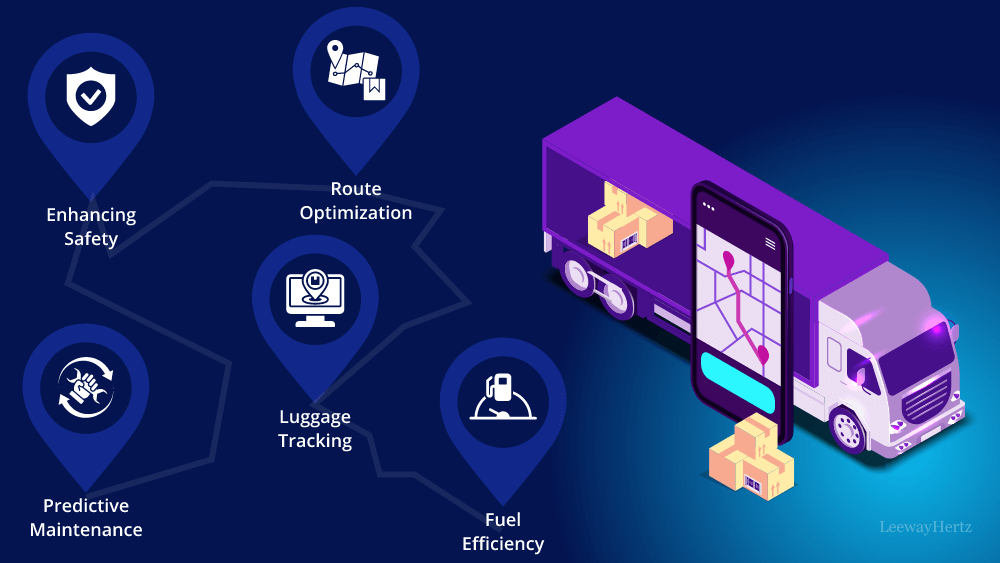
AI in Fleet Management: A Paradigm Shift
1. Streamlining Operations
AI-powered solutions are redefining the way fleet managers operate, enabling them to make data-driven decisions that enhance overall efficiency. From route optimization to predictive maintenance, AI algorithms analyze vast datasets in real-time, providing actionable insights to streamline day-to-day operations.
2. Optimizing Routes with AI
One of the key areas where AI excels in fleet management is route optimization. By considering various factors such as traffic patterns, weather conditions, and historical data, AI algorithms can dynamically adjust routes to minimize travel time and fuel consumption. This not only enhances delivery speed but also reduces operational costs.
AI for Fleet Management: The Key Applications
1. Predictive Maintenance
AI’s predictive capabilities play a crucial role in minimizing downtime and avoiding unexpected breakdowns. By analyzing historical maintenance data and sensor inputs from vehicles, AI can predict potential issues, allowing fleet managers to schedule proactive maintenance and reduce the risk of costly repairs.
2. Fuel Efficiency Management
AI algorithms analyze driving patterns and vehicle performance to optimize fuel efficiency. From recommending optimal speeds to identifying inefficient driving habits, AI helps in devising strategies to reduce fuel consumption and lower the environmental impact of fleet operations.
3. Telematics and Remote Monitoring
Real-time tracking through telematics, coupled with AI, enables fleet managers to monitor vehicles remotely. This not only enhances security but also allows for immediate response in case of emergencies or unexpected events on the road.
Benefits of Integrating AI in Fleet Management
1. Cost Reduction
AI’s ability to analyze and optimize various aspects of fleet operations leads to significant cost reductions. From fuel savings due to efficient route planning to minimizing maintenance expenses through predictive analytics, the financial benefits are substantial.
2. Enhanced Safety
AI-powered systems contribute to a safer driving environment by monitoring driver behavior and alerting managers to potential risks. Additionally, AI-driven telematics systems can provide real-time feedback to drivers, encouraging safer practices on the road.
3. Improved Customer Satisfaction
Efficient route planning and timely deliveries result in improved customer satisfaction. AI’s role in optimizing logistics ensures that goods reach their destination on time, enhancing the overall customer experience.
The Future of AI in Fleet Management
As technology continues to advance, the future of AI in fleet management looks promising. Here are a few trends that are expected to shape the industry in the coming years:
1. Autonomous Vehicles
The integration of AI is paving the way for the widespread adoption of autonomous vehicles. These vehicles, equipped with advanced AI systems, have the potential to revolutionize the entire logistics chain, from warehouses to last-mile delivery.
2. Advanced Predictive Analytics
Future AI applications in fleet management will likely involve more sophisticated predictive analytics. This includes predicting market demands, optimizing inventory levels, and adapting to dynamic changes in the supply chain.
3. Enhanced Connectivity
The future of fleet management lies in interconnected systems. AI will play a crucial role in fostering seamless communication between vehicles, logistics hubs, and other elements of the supply chain, creating a more responsive and adaptive network.
Conclusion
In conclusion, the integration of AI in fleet management represents a paradigm shift in how transportation and logistics are handled. From optimizing routes and predicting maintenance needs to improving safety and customer satisfaction, the benefits of AI in this industry are vast. As technology continues to advance, the future promises even more innovative applications, making AI an indispensable tool for the efficient and sustainable management of fleets worldwide.
 Archie Evans Info