In the ever-evolving landscape of retail and e-commerce, businesses are constantly seeking innovative ways to enhance customer experience, streamline operations, and stay ahead of the competition. One groundbreaking technology that has gained significant traction in recent years is Generative AI, proving to be a game-changer for both traditional retailers and online e-commerce platforms.
The Rise of Generative AI in Retail
Generative AI, powered by advanced machine learning algorithms, has emerged as a revolutionary tool for retailers looking to revolutionize various aspects of their operations. From personalized customer experiences to efficient supply chain management, the applications of generative AI are vast and transformative.
1. Personalized Shopping Experience:
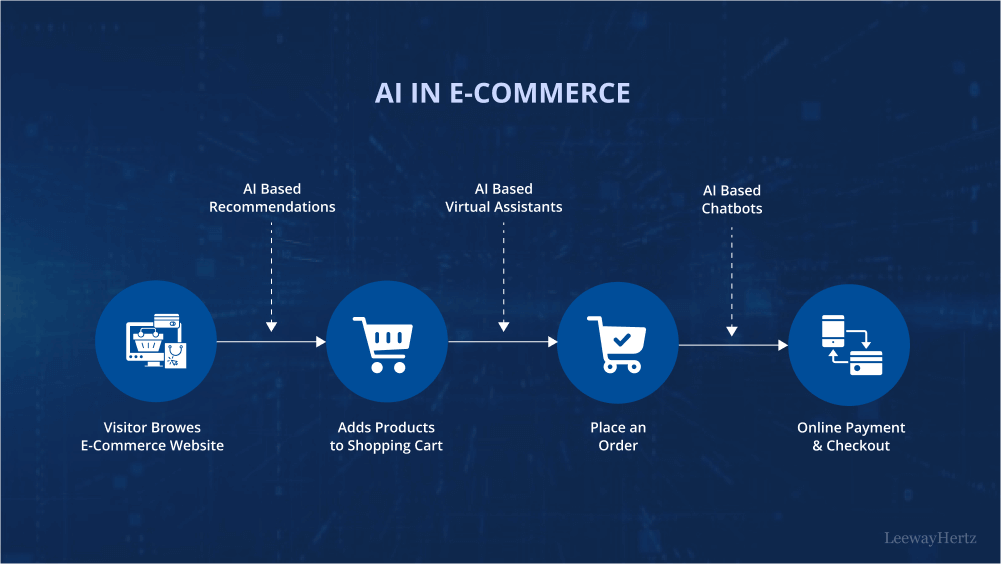
Generative AI plays a pivotal role in creating personalized shopping experiences for customers. By analyzing vast amounts of data, including past purchases, browsing behavior, and preferences, AI algorithms can generate tailored product recommendations. This not only enhances customer satisfaction but also increases the likelihood of making a sale.
2. Visual Merchandising and Design:
In the realm of e-commerce, the visual appeal of products is crucial. Generative AI is being used to develop aesthetically pleasing and unique product designs. Retailers can leverage AI algorithms to generate visual content, such as product images and videos, that resonates with their target audience. This not only saves time in the design process but also ensures consistency and creativity.
Generative AI in E-commerce: A Digital Revolution
E-commerce platforms are at the forefront of adopting generative AI technologies to redefine the online shopping experience. Here’s how generative AI is making waves in the digital retail space:
1. Chatbots and Virtual Assistants:
Generative AI powers intelligent chatbots and virtual assistants that enhance customer support and engagement. These virtual entities can understand natural language, provide product recommendations, and assist customers through the purchase process. This not only improves customer satisfaction but also enables businesses to handle a large volume of queries simultaneously.
2. Dynamic Pricing Optimization:
Generative AI algorithms analyze real-time market data, competitor pricing, and customer behavior to dynamically adjust product prices. This ensures that e-commerce businesses remain competitive and maximize revenue. By setting optimal prices based on various factors, businesses can achieve a balance between attracting customers and maintaining profitability.
Challenges and Considerations
While the potential benefits of generative AI in retail and e-commerce are substantial, it’s essential to address the challenges and considerations associated with its implementation.
1. Data Security and Privacy Concerns:
The use of generative AI involves the analysis of large datasets, raising concerns about data security and privacy. Retailers must prioritize robust security measures to safeguard customer information and comply with data protection regulations.
2. Ethical Use of AI:
As AI becomes more sophisticated, there’s a growing need for ethical considerations in its development and deployment. Retailers must ensure that generative AI is used responsibly, avoiding biases and discriminatory practices in algorithms that could impact customers negatively.
The Future Outlook
Generative AI in retail and e-commerce is not just a passing trend; it’s a transformative force that is shaping the future of the industry. As technology continues to advance, we can expect even more sophisticated applications of generative AI in the retail sector.
1. Hyper-Personalization:
Generative AI will enable retailers to take personalization to new heights. From customized product recommendations to personalized marketing messages, the AI-powered shopping experience will become increasingly tailored to individual preferences.
2. Enhanced Virtual Shopping:
Virtual reality (VR) and augmented reality (AR) technologies, powered by generative AI, will redefine the virtual shopping experience. Customers will be able to virtually try on products, visualize furniture in their homes, or experience products in a simulated environment before making a purchase.
Conclusion
Generative AI is reshaping the retail and e-commerce landscape, offering unprecedented opportunities for businesses to thrive in a competitive market. As technology continues to evolve, the integration of generative AI will become not just a strategic advantage but a necessity for those seeking sustainable growth and customer loyalty. The future of retail is being written by lines of code, and generative AI is at the forefront, crafting a narrative of innovation, personalization, and efficiency in the world of commerce.
 Archie Evans Info