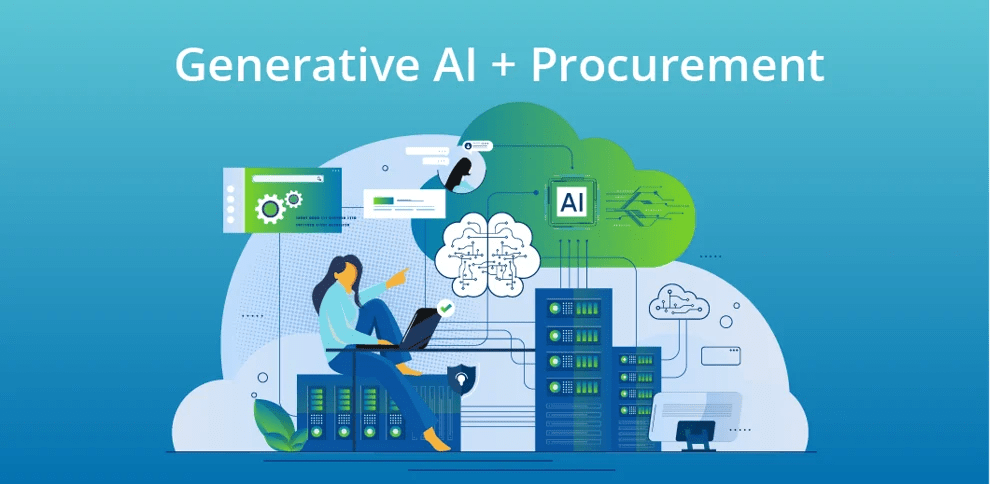
Generative AI in procurement is rapidly redefining how organizations manage sourcing, supplier relationships, and strategic decision-making. As businesses strive for agility and cost efficiency, the integration of GenAI in procurement is becoming a critical enabler of smarter, data-driven operations. From automating routine tasks to enhancing strategic insights, artificial intelligence in procurement is unlocking new levels of productivity and innovation.
For procurement leaders, adopting AI-driven technologies is no longer optional—it is essential for staying competitive in an increasingly complex global supply chain.
What is Generative AI in Procurement?
Generative AI in procurement refers to the use of advanced AI models that can generate insights, content, and recommendations based on large datasets. Unlike traditional automation, GenAI in procurement goes beyond rule-based processes by enabling systems to analyze patterns, predict outcomes, and even create procurement strategies.
This evolution of AI in procurement supports tasks such as:
- Drafting supplier contracts
- Generating sourcing strategies
- Automating spend analysis reports
- Enhancing supplier communication
As a result, procurement functions are shifting from operational support roles to strategic value drivers.
Key Applications of Gen AI in Procurement
1. Intelligent Supplier Management
GenAI enhances supplier evaluation by analyzing historical performance, risk factors, and market trends. It enables procurement teams to identify reliable suppliers and mitigate risks proactively.
2. Automated Sourcing and Contract Creation
With generative AI consulting, organizations can automate RFx creation, contract drafting, and negotiation insights. This reduces manual effort while ensuring compliance and consistency.
3. Spend Analysis and Forecasting
Artificial intelligence in procurement can process vast amounts of spend data to uncover patterns and optimization opportunities. It also enables predictive analytics for better budgeting and demand forecasting.
4. Procurement Strategy Optimization
AI-powered tools support the development of a robust procurement strategy by analyzing market conditions, supplier capabilities, and internal demand patterns.
Benefits for Procurement Leaders
Enhanced Efficiency
By automating repetitive tasks, AI implementation reduces operational workload, allowing teams to focus on strategic initiatives.
Improved Decision-Making
Data-driven insights generated by GenAI in procurement enable faster and more accurate decisions.
Cost Optimization
AI-driven procurement solutions identify savings opportunities through better supplier selection and demand forecasting.
Risk Mitigation
Advanced analytics help detect potential disruptions, ensuring resilience across the supply chain.
Role of Procurement Consulting in AI Adoption
Adopting generative AI requires expertise, planning, and the right technology stack. This is where procurement consulting services play a vital role. A professional procurement consultant or procurement consultant company can guide organizations through every stage of AI adoption.
Key Services Offered
Procurement Transformation
Procurement consulting firms help businesses redesign processes and integrate AI into their workflows, enabling end-to-end procurement transformation.
AI Implementation Strategy
A well-defined AI implementation roadmap ensures seamless integration with existing systems and minimizes disruption.
E-Procurement Consulting
Through eprocurement consulting, organizations can deploy digital procurement platforms enhanced with AI capabilities.
Change Management
Successful adoption requires cultural and operational alignment, which procurement consultancy services help facilitate.
Whether it’s a large enterprise or a growing procurement consulting business, leveraging expert guidance ensures maximum ROI from AI investments.
Challenges in Implementing Generative AI
Despite its advantages, implementing AI in procurement comes with challenges:
- Data Quality Issues: AI models require clean and structured data for accurate outputs.
- Integration Complexity: Aligning AI tools with legacy systems can be technically demanding.
- Skill Gaps: Organizations may lack expertise in AI technologies and analytics.
- Change Resistance: Teams may be hesitant to adopt new technologies without proper training.
Partnering with a reliable procurement services company or engaging in generative AI consulting can help overcome these barriers effectively.
Future of AI in Procurement
The future of GenAI in procurement is promising, with continuous advancements in machine learning and natural language processing. Procurement functions will increasingly rely on AI for strategic planning, supplier collaboration, and real-time decision-making.
Emerging trends include:
- Autonomous procurement systems
- AI-driven supplier negotiations
- Real-time risk monitoring
- Hyper-personalized procurement insights
As these technologies evolve, procurement leaders must embrace innovation to drive sustainable growth and competitive advantage.
Conclusion
Generative AI is transforming procurement from a transactional function into a strategic powerhouse. By leveraging generative AI in procurement, organizations can enhance efficiency, reduce costs, and make smarter decisions.
However, successful adoption requires a clear strategy, the right tools, and expert support. Engaging with a trusted procurement consultant, leveraging procurement consulting services, and focusing on effective AI implementation are key to unlocking the full potential of AI.
As businesses continue their digital journey, integrating GenAI in procurement will be essential for achieving long-term success and operational excellence.
 Archie Evans Info