In today’s tech-driven world, artificial intelligence (AI) chatbots have become an integral part of businesses and customer service. These AI-powered virtual assistants are designed to engage with users, answer questions, and even perform specific tasks, making them a valuable asset for companies looking to enhance their online presence and customer support. As the demand for AI chatbots continues to grow, so does the need for skilled developers who can create, maintain, and improve these conversational agents. If you’re interested in becoming an AI chatbot developer, you’re on the right track to an exciting and rewarding career.
1. Acquire a Strong Foundation in Programming
Becoming an AI chatbot developer starts with a solid foundation in programming. You will need to be proficient in languages such as Python, JavaScript, and Ruby. These languages are commonly used in developing chatbots due to their versatility and extensive libraries and frameworks that support AI development.
2. Understand Natural Language Processing (NLP)
NLP is the backbone of AI chatbot development. It’s the technology that enables chatbots to understand and respond to human language. Dive deep into NLP, learn about tokenization, sentiment analysis, and other NLP techniques that will empower your chatbot to provide meaningful and relevant responses to users.
3. Familiarize Yourself with Machine Learning
Machine learning is a crucial component of AI chatbots. Chatbots must be able to learn from interactions and adapt to user needs over time. Study machine learning algorithms, data preprocessing, and model training to enhance your chatbot’s ability to make intelligent decisions.
4. Explore Chatbot Frameworks and Tools
There are various chatbot frameworks and tools available that can streamline the development process. Familiarize yourself with popular platforms such as Dialogflow, Microsoft Bot Framework, and Rasa to accelerate your chatbot development skills.
5. Learn About Conversational Design
To create chatbots that provide an excellent user experience, you must understand conversational design principles. Study how conversations flow, how to engage users effectively, and how to maintain a natural dialogue.
6. Database and Backend Development
AI chatbots often require access to databases for retrieving information or performing transactions. Learn about database management and backend development to create a seamless integration between your chatbot and data sources.
7. Security and Privacy Considerations
Understanding security and privacy is critical in chatbot development, especially if you are handling sensitive data. Comprehend encryption, data protection, and ethical considerations in AI development.
8. Build a Portfolio
Start creating your chatbots and building a portfolio. Whether it’s a simple chatbot for answering FAQs or a more complex one for e-commerce, having a portfolio of your work will be crucial in securing employment as an AI chatbot developer.
9. Engage with the AI Community
Join AI and chatbot development communities, forums, and social media groups to stay updated on the latest trends and connect with fellow developers. Sharing your knowledge and experiences can help you grow in your field.
10. Apply for Internships or Entry-Level Positions
Once you feel confident in your skills, start applying for internships or entry-level positions. This will provide practical experience and exposure to real-world projects. Look for job listings containing the keyword “hire AI chatbot developers.”
11. Continuously Improve Your Skills
AI and chatbot development is a constantly evolving field. Stay up-to-date with the latest advancements, attend workshops, and take online courses to refine your skills.
12. Build Your Personal Brand
Creating a personal brand can make you stand out in the competitive job market. Contribute to blogs, write articles, or create a GitHub repository showcasing your work to demonstrate your expertise.
13. Prepare for Interviews
When you land an interview, be ready to demonstrate your knowledge and problem-solving skills. Be prepared to discuss your past projects and how they align with the company’s needs.
14. Seek Feedback and Mentorship
Don’t hesitate to seek feedback from experienced developers and consider finding a mentor who can guide you in your journey. Their insights can be invaluable.
15. Stay Persistent and Be Adaptable
Becoming an AI chatbot developer may require time and effort, but persistence and adaptability are key. The industry evolves, and new technologies emerge, so remain committed to your learning and growth.
In conclusion, becoming an AI chatbot developer is a rewarding journey that offers numerous opportunities in the fast-growing AI industry. By following these steps and staying dedicated to your learning, you can position yourself as a skilled professional ready to tackle the challenges of developing intelligent chatbots. And, as the demand for AI chatbot developers increases, you’ll find more and more companies looking to “hire AI chatbot developers,” making this a promising career path in the tech world.
Unlocking the Potential of Enterprise AI Development
In the fast-evolving landscape of modern business, staying competitive and innovative is no longer just a choice but a necessity. Enterprises are increasingly turning to Artificial Intelligence (AI) as a powerful tool to enhance operations, improve customer experiences, and drive growth. This article serves as an introduction to the world of Enterprise AI Development, shedding light on what it is, why it matters, and how it’s shaping the future of business.
Introduction: The AI Revolution
Artificial Intelligence has revolutionized the way businesses operate, enabling them to leverage data-driven insights, automate tasks, and provide better services. Enterprise AI Development, often referred to as Enterprise AI, takes this transformative power to the corporate world. It encompasses a wide array of AI technologies, including machine learning, natural language processing, computer vision, and more, tailored to meet the specific needs of organizations.
Understanding Enterprise AI Development
The Scope of Enterprise AI: Enterprise AI is not a one-size-fits-all solution. It’s about applying AI technologies to solve unique challenges within an organization. This can range from improving customer support through AI chatbots to optimizing supply chain operations, and from enhancing sales and marketing strategies to predicting equipment maintenance needs.
Key Benefits: Discuss the significant advantages of implementing AI in the enterprise context. This includes increased efficiency, cost savings, enhanced decision-making, improved customer experiences, and the ability to uncover insights from large datasets.
Real-World Applications: Provide concrete examples of how leading companies across various industries are successfully implementing Enterprise AI. Explore cases in retail, healthcare, finance, and manufacturing to illustrate the versatility of AI solutions.
The Journey Towards Enterprise AI
Data as the Foundation: Emphasize the importance of data in AI development. Explain how quality data collection, storage, and management are crucial for the success of AI initiatives.
Building AI Expertise: Discuss the talent and expertise required to drive Enterprise AI initiatives. This can include data scientists, machine learning engineers, and domain experts who understand the specific needs of the business.
AI Development Lifecycle: Introduce the development lifecycle of an AI project, highlighting key stages like problem definition, data preparation, model building, testing, deployment, and ongoing maintenance.
Challenges and Considerations
Data Privacy and Ethics: Address the concerns around data privacy and ethics in AI development, especially in industries dealing with sensitive information or customer data.
Cost and ROI: Analyze the costs associated with Enterprise AI projects and how to measure return on investment. It’s essential for businesses to understand the financial implications.
Change Management: Explore the organizational changes required to adopt AI solutions effectively. This includes fostering a culture of data-driven decision-making and providing training for employees.
The Future of Enterprise AI
Trends and Innovations: Highlight emerging trends in Enterprise AI, such as the integration of AI with IoT devices, AI-powered virtual assistants for employees, and advancements in natural language understanding.
AI Ecosystem: Discuss the broader ecosystem of AI development, including the role of AI platforms, cloud services, and partnerships with AI development companies.
Conclusion: A New Era of Business
In conclusion, Enterprise AI Development is reshaping the way businesses operate, enabling them to harness the full potential of AI for improved efficiency, decision-making, and customer satisfaction. It’s not a one-time investment but an ongoing journey that involves data, expertise, and strategic thinking. As we move forward in the age of AI, organizations that embrace this transformation are likely to gain a competitive edge, unlocking new opportunities and achieving sustainable growth. This article sets the stage for a series that will dive deeper into the specific aspects of Enterprise AI, including AI chatbot development, MLOps consulting, AI as a service, and more, to help businesses make informed decisions and drive success in the AI era.
Building Chatbots for Business: A Comprehensive Guide
Chatbots have become a ubiquitous part of the modern digital landscape. From customer support to virtual assistants, these AI-driven conversational agents have significantly transformed the way businesses interact with their customers and manage internal processes. In this comprehensive guide, we will delve into the world of AI chatbot development, exploring the key concepts, tools, and best practices to create effective chatbots that meet your business objectives.
The Rise of Chatbots
Before we dive into the intricacies of chatbot development, it’s essential to understand why chatbots have gained such prominence in the business world.
1. Enhanced Customer Engagement
Chatbots provide businesses with an opportunity to engage with their customers in real-time. They can answer queries, provide information, and even offer personalized recommendations, all day and night. This 24/7 accessibility greatly enhances customer satisfaction.
2. Scalability and Efficiency
Unlike human customer support agents, chatbots can handle multiple customer inquiries simultaneously without getting tired. This scalability allows businesses to efficiently manage high volumes of customer interactions without a proportional increase in human resources.
3. Cost Savings
By automating routine tasks and customer interactions, chatbots can help businesses reduce operational costs. This is especially valuable for tasks like frequently asked questions and appointment scheduling.
4. Data Insights
Chatbots can collect and analyze data from customer interactions. This data can be leveraged to gain insights into customer preferences, behavior, and pain points, enabling businesses to make data-driven decisions.
Key Elements of Chatbot Development
To create an effective chatbot, you need to understand the core elements of chatbot development. Here’s what you need to know:
1. Natural Language Processing (NLP)
NLP is a field of artificial intelligence that focuses on the interaction between computers and humans through natural language. NLP enables chatbots to understand and respond to user inputs in a human-like way.
2. Dialog Flow Management
A chatbot’s ability to engage in meaningful conversations is determined by its dialog flow. This involves structuring the conversation, managing context, and handling user requests and responses effectively.
3. User Interface (UI)
The user interface of a chatbot is the platform through which users interact with it. It could be a web interface, a messaging app, or a voice assistant. A user-friendly UI is crucial for a positive user experience.
4. Integration with Backend Systems
To provide relevant information and perform actions, chatbots often need to integrate with backend systems like databases, CRMs, and other data sources. This integration ensures that the chatbot has access to accurate and up-to-date information.
5. Machine Learning Algorithms
Machine learning plays a significant role in chatbot development. It allows chatbots to learn from user interactions, improving their responses over time. Algorithms like decision trees, reinforcement learning, and deep learning can be used to enhance chatbot performance.
The Chatbot Development Process
Now, let’s dive into the step-by-step process of developing a chatbot for your business:
1. Define Objectives
Before you begin, it’s essential to define the objectives of your chatbot. What specific tasks or problems do you want it to address? These objectives will guide the entire development process.
2. Choose the Platform
Select the platform or channel where your chatbot will be deployed. Common choices include websites, messaging apps, and voice assistants like Alexa or Google Assistant.
3. Design the Dialog Flow
Design the conversational structure of your chatbot. Consider the typical user journey and define how the chatbot will respond to various user inputs and prompts. This is often done using flowcharts or specialized tools.
4. Select the Technology Stack
Choose the technology stack for your chatbot. This includes programming languages, frameworks, and NLP libraries. Common choices include Python, Node.js, and libraries like TensorFlow and spaCy.
5. Develop the Chatbot
Start coding your chatbot based on the defined objectives, dialog flow, and technology stack. Ensure that it can understand user inputs, process them, and provide appropriate responses.
6. Test and Iterate
Testing is a crucial phase in chatbot development. Test the chatbot with real users to identify any issues, errors, or areas for improvement. Continuously iterate on the chatbot to enhance its performance.
7. Deploy and Monitor
Once your chatbot is ready, deploy it to the chosen platform. Monitor its performance and collect user feedback. Use analytics to measure its impact on your business goals.
8. Maintain and Update
Chatbots require regular maintenance and updates. Keep the knowledge base and responses up to date, and make improvements based on user feedback and changing business needs.
NLP in Chatbot Development
Natural Language Processing (NLP) is at the core of chatbot development. It enables chatbots to understand and generate human language. Here are some key NLP concepts in chatbot development:
1. Intent Recognition
NLP models are trained to recognize user intents, which are the goals or purposes behind user inputs. For example, a user might have the intent to inquire about product pricing or ask a support question.
2. Entity Recognition
Entities are specific pieces of information within user inputs. For instance, in a user query like “Book a flight to New York on July 1st,” “New York” and “July 1st” are entities. Chatbots use entity recognition to extract and process these details.
3. Sentiment Analysis
Sentiment analysis helps chatbots understand the emotional tone of user messages. This can be valuable for providing empathetic responses and gauging customer satisfaction.
4. Language Generation
NLP models can generate human-like text responses based on the context and user inputs. Language generation techniques like sequence-to-sequence models and GPT-3 have advanced chatbot capabilities in this area.
Choosing the Right NLP Tools
Selecting the right NLP tools and libraries is crucial for chatbot development. Here are some popular options:
1. spaCy
spaCy is a widely used NLP library in Python. It provides pre-trained models for various languages and tasks, making it an excellent choice for entity recognition and text processing.
2. Rasa
Rasa is an open-source chatbot development framework that offers NLP capabilities for intent and entity recognition. It’s a comprehensive tool for building conversational AI.
3. Dialogflow
Dialogflow, owned by Google, is a cloud-based chatbot development platform that simplifies NLP integration and dialog flow management. It’s suitable for both text and voice-based chatbots.
4. Wit.ai
Wit.ai, now owned by Facebook, is a user-friendly NLP platform that can be integrated into chatbot development. It’s known for its ease of use and support for multiple languages.
Chatbot UI/UX Design
A well-designed user interface (UI) and user experience (UX) are crucial for chatbot success. Here are some design considerations:
1. User-Friendly Interface
The chatbot interface should be intuitive and user-friendly. Users should know how to initiate a conversation and navigate through it effortlessly.
2. Consistent Branding
Ensure that the chatbot’s appearance and tone align with your brand. Consistency in branding fosters trust and recognition.
3. Visual Elements
In corporate chatbots, visual elements like avatars or icons can enhance the user experience. Visual cues can also help guide users through the conversation.
4. Multimodal Design
Consider incorporating images, videos, and interactive elements where relevant. Multimodal design can make interactions more engaging and informative.
5. Personalization
Personalization is a powerful tool for improving user engagement. Tailor the chatbot’s responses to individual users based on their preferences and historical interactions.
6. Error Handling
Anticipate and address errors in the chatbot’s interactions. Clear error messages and suggestions for corrective actions can prevent user frustration.
7. Feedback Mechanisms
Include mechanisms for users to provide feedback on the chatbot’s performance. This feedback loop is valuable for ongoing improvements.
Integrating with Backend Systems
Most chatbots need access to backend systems to retrieve and update information. Integration is critical for delivering real-time and accurate responses. Here’s how to approach this:
1. API Integration
Create APIs (Application Programming Interfaces) to connect the chatbot with databases, content management systems, customer relationship management (CRM) software, and other data sources. APIs enable data exchange between the chatbot and backend systems.
2. Data Security
When integrating with backend systems, prioritize data security. Ensure that sensitive user information is handled in compliance with relevant data protection regulations, such as GDPR or HIPAA.
3. Data Mapping
Map the data from backend systems to a format that the chatbot can understand and use. This may involve data transformation and normalization.
4. Real-Time Updates
For chatbots that provide real-time information, set up mechanisms to ensure that data is up to date. This is crucial for accurate responses, especially in dynamic domains like e-commerce or financial services.
Machine Learning in Chatbots
Machine learning plays a pivotal role in chatbot development. It enables chatbots to learn from user interactions, adapt to changing trends, and improve over time. Here’s how machine learning is applied:
1. Training Data
Machine learning models require training data to learn from. For chatbots, this typically includes historical chat logs and user interactions. The more data available, the better the chatbot can learn and generalize.
2. Intent Recognition
Machine learning models are trained to recognize user intents based on their input. This is critical for understanding what the user is trying to achieve and providing relevant responses.
3. Context Management
Chatbots use machine learning to manage conversation context. This means the chatbot can remember the context of the conversation and provide responses that make sense within that context.
4. User Profiling
Over time, chatbots can build user profiles based on their interactions. Machine learning can help personalize responses and recommendations based on these profiles.
5. Continuous Learning
Machine learning models can be updated and fine-tuned to adapt to changing user behaviors, new product offerings, or updates in backend systems. Continuous learning ensures that the chatbot remains relevant.
Testing and User Feedback
Testing is a critical phase of chatbot development. It helps identify and rectify issues, ensuring a smooth user experience. Here’s how to approach testing:
1. Usability Testing
Conduct usability tests with real users to evaluate the chatbot’s ease of use and overall user experience. Collect feedback on what works well and what needs improvement.
2. Functional Testing
Test the chatbot’s functionality to ensure that it can perform its intended tasks effectively. This includes testing specific user flows and scenarios.
3. Load Testing
Simulate high user loads to assess how the chatbot performs under heavy traffic. This is crucial for ensuring that the chatbot remains responsive and stable.
4. Error Handling
Test the chatbot’s error handling mechanisms. Ensure that it can gracefully recover from errors and provide helpful error messages to users.
5. A/B Testing
Conduct A/B testing to compare different versions of the chatbot. This can help optimize conversation flows, responses, and overall performance.
6. User Feedback Loop
Establish a mechanism for users to provide feedback on their interactions with the chatbot. Use this feedback to make continuous improvements and refinements.
Deploying and Monitoring the Chatbot
Once your chatbot is ready for deployment, follow these steps:
1. Deployment
Deploy the chatbot to the chosen platform or platforms. Ensure that it’s accessible to your target audience.
2. Analytics
Implement analytics to monitor the chatbot’s performance. Track key metrics like user engagement, conversion rates, and user satisfaction.
3. User Support
Provide user support through the chatbot. Include features that allow users to seek help or connect with human agents if necessary.
4. Continuous Improvement
Use the analytics data to identify areas for improvement. Continuously iterate on the chatbot to enhance its performance and user experience.
Conclusion
Chatbot development is a dynamic field that continues to evolve as new technologies and AI advancements emerge. By following best practices in NLP, UI/UX design, backend integration, and machine learning, you can create a chatbot that not only meets your business objectives but also provides a seamless and engaging experience for your users. As you deploy and monitor your chatbot, remember that it’s an ongoing process of improvement, and user feedback should be at the heart of your strategy. With a well-designed and effectively deployed chatbot, you can enhance customer engagement, streamline processes, and drive business success in the digital age.
Optimizing AI Models with MLOps: A Comprehensive Guide
In the world of AI development, the importance of Machine Learning Operations, or MLOps, cannot be overstated. MLOps serves as the bridge between the development of machine learning models and their deployment in real-world applications. In this article, we will explore the critical role of MLOps, its benefits, and best practices for implementing MLOps in AI projects.
Introduction
Artificial Intelligence and Machine Learning have made significant advancements in recent years, with AI applications ranging from chatbots to predictive analytics becoming commonplace in various industries. However, the process of developing and deploying AI models can be complex and challenging. This is where MLOps comes into play.
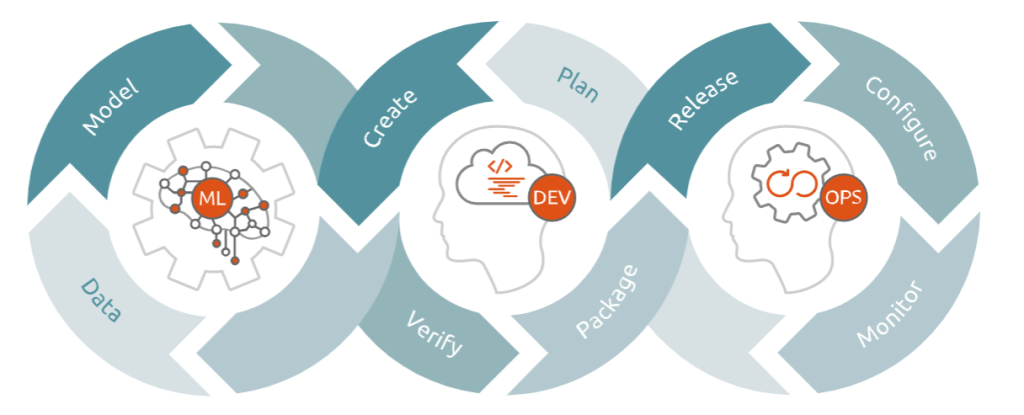
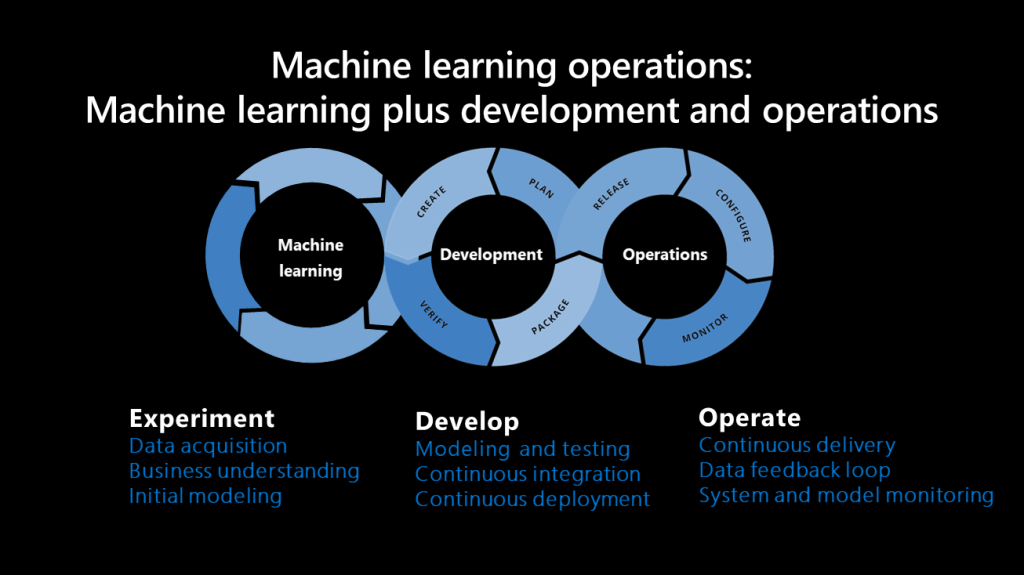
MLOps is a set of practices and tools that streamline and automate the deployment, monitoring, and management of machine learning models. It combines elements of machine learning, DevOps, and data engineering to ensure that AI models can be developed, deployed, and maintained efficiently. Let’s delve into the world of MLOps and understand its significance.
The Importance of MLOps
1. Model Deployment and Scaling
MLOps simplifies the deployment of AI models, making it easier to scale them across various environments. This is crucial for enterprises as they often need to deploy models across multiple platforms, from cloud services to edge devices.
2. Collaboration and Reproducibility
In a typical AI project, data scientists, engineers, and operations teams work together. MLOps facilitates collaboration by providing a standardized approach to model development and deployment, ensuring that results are reproducible and consistent.
3. Model Monitoring and Management
Once models are deployed, monitoring and management become critical. MLOps tools allow for real-time monitoring of model performance, drift detection, and automatic retraining, ensuring that models stay accurate and up to date.
The Benefits of MLOps
MLOps offers several benefits that are invaluable for organizations aiming to leverage AI effectively.
1. Faster Time to Market
By streamlining the development and deployment process, MLOps helps organizations bring AI solutions to market more quickly. This can provide a competitive advantage and enable quicker responses to changing market dynamics.
2. Improved Model Performance
Continuous monitoring and retraining of models in an MLOps framework lead to improved model performance over time. This is essential, as the accuracy of AI models tends to degrade as data distributions change.
3. Enhanced Collaboration
MLOps promotes collaboration between data science and IT teams, breaking down silos and ensuring that everyone is aligned with the organization’s AI goals.
4. Cost Reduction
Efficient resource allocation and automated processes can significantly reduce operational costs in AI projects, making them more cost-effective in the long run.
Implementing MLOps: Best Practices
Implementing MLOps successfully requires a combination of best practices and the right tools. Here are some key steps and considerations:
1. Define Clear Objectives
Before diving into MLOps, clearly define the objectives of your AI project. Understand what you want to achieve with your machine learning models and how they will benefit your organization.
2. Build a Cross-Functional Team
Create a team that includes data scientists, data engineers, DevOps professionals, and domain experts. This interdisciplinary team can work together to ensure the success of your MLOps implementation.
3. Choose the Right Tools
Select the MLOps tools that align with your project’s requirements. Tools like Kubernetes for container orchestration, TensorFlow or PyTorch for deep learning, and Apache Airflow for workflow automation can be invaluable.
4. Version Control for Models and Data
Implement version control for both your models and data. This ensures that you can reproduce results and track changes effectively.
5. Automated Testing and Validation
Implement automated testing to validate model performance and check for anomalies. Automated testing reduces the risk of deploying faulty models.
6. Continuous Integration and Deployment
Set up a continuous integration and deployment (CI/CD) pipeline for your models. This allows you to automate the deployment process and ensure that new models can be deployed with minimal manual intervention.
7. Monitoring and Logging
Implement robust monitoring and logging solutions to track model performance and detect any issues promptly. Use tools like Prometheus and Grafana to create dashboards for monitoring.
8. Model Retraining
Set up automatic retraining of models based on predefined criteria. This ensures that models stay accurate as new data becomes available.
Conclusion
MLOps is a critical component of successful AI development. By streamlining the development, deployment, and management of AI models, it ensures that organizations can harness the power of AI effectively. When implemented correctly, MLOps can lead to faster time-to-market, improved model performance, cost savings, and enhanced collaboration. Organizations looking to stay competitive in the AI landscape should consider adopting MLOps as a core part of their strategy.
AI as a Service: Revolutionizing Enterprise Solutions
In recent years, the landscape of artificial intelligence (AI) has transformed dramatically. It’s no longer limited to science fiction or large tech companies but has become an integral part of enterprise solutions across various industries. One approach that’s been at the forefront of this transformation is “AI as a Service.” In this article, we will explore the concept of AI as a Service, its significance in revolutionizing enterprise solutions, and how organizations are harnessing its power to drive innovation and efficiency.
The Evolution of AI as a Service
Before delving into the impact of AI as a Service on enterprises, it’s essential to understand its evolution. AI as a Service represents a shift from traditional AI models where organizations had to build and maintain their AI infrastructure to a more accessible and flexible model.
Early AI Adoption: Initially, AI adoption in enterprises involved building customized AI solutions in-house. This process was expensive, time-consuming, and required specialized expertise.
Cloud-Based AI Services: Cloud providers introduced AI services that allowed organizations to leverage pre-built AI models and tools. This simplified AI adoption but didn’t eliminate all complexities.
AI as a Service Emerges: AI as a Service takes the concept a step further by offering on-demand access to AI capabilities, making it more convenient and cost-effective.
The Advantages of AI as a Service
AI as a Service offers several advantages to enterprises, making it a compelling choice for organizations of all sizes and across industries.
1. Accessibility and Scalability
AI as a Service platforms provide accessibility to cutting-edge AI technologies, regardless of a company’s size or budget. Small and medium-sized enterprises can now harness the power of AI without substantial upfront investments. Scalability is also simplified, as organizations can adjust their AI resources as needed.
2. Rapid Deployment
One of the key benefits of AI as a Service is rapid deployment. Organizations can quickly integrate AI functionalities into their existing systems and applications. This agility is essential for staying competitive in today’s fast-paced business environment.
3. Reduced Operational Burden
Maintaining AI infrastructure can be resource-intensive. With AI as a Service, cloud providers handle the infrastructure, maintenance, and updates, freeing up an organization’s IT resources to focus on other critical tasks.
4. Cost-Efficiency
AI as a Service eliminates the need for large capital investments. Companies pay for the AI services they use, which can lead to substantial cost savings compared to building and managing AI infrastructure in-house.
Real-World Applications of AI as a Service
To illustrate the impact of AI as a Service, let’s explore some real-world applications across different industries.
1. Healthcare
AI as a Service is being used in healthcare for tasks like medical image analysis, patient data management, and predictive analytics. It enables faster and more accurate diagnoses, improving patient outcomes and reducing healthcare costs.
2. E-commerce
In the e-commerce industry, AI-powered recommendation systems help customers discover products they’re likely to purchase. AI as a Service provides the necessary algorithms to analyze user behavior and make real-time recommendations.
3. Finance
Financial institutions leverage AI as a Service for fraud detection, risk assessment, and algorithmic trading. These services offer the computational power and AI models needed for complex financial analysis.
4. Manufacturing
Manufacturers are using AI as a Service for predictive maintenance of machinery, quality control, and supply chain optimization. This ensures higher production efficiency and cost savings.
Challenges and Considerations
While AI as a Service presents numerous benefits, it also comes with certain challenges and considerations.
1. Data Privacy and Security
Outsourcing AI services may involve sharing sensitive data with third-party providers. Ensuring data privacy and security is a critical concern that organizations need to address.
2. Vendor Lock-In
Depending too heavily on a single AI as a Service provider can result in vendor lock-in. Organizations must evaluate the long-term implications of their chosen provider.
3. Customization
AI as a Service offerings may not fully align with an organization’s unique requirements. Customization options are often limited, necessitating careful consideration of these limitations.
Selecting the Right AI as a Service Provider
Choosing the right AI as a Service provider is a crucial decision for enterprises. Here are some factors to consider:
1. Service Portfolio
Evaluate the provider’s service portfolio to ensure it covers the AI capabilities your organization needs. Look for flexibility and scalability in service offerings.
2. Data Security
Assess the provider’s data security measures and compliance with industry standards to protect sensitive information.
3. Cost Structure
Understand the pricing model and cost structure of the service. Consider long-term costs and the potential for cost escalation.
4. Vendor Reputation
Research the reputation of the AI as a Service provider. Customer reviews, case studies, and industry recognition can provide insights into their reliability.
The Future of AI as a Service
The future of AI as a Service is promising. As AI technologies continue to evolve, these services will become more sophisticated and accessible. Here are a few trends to watch:
Customization and Flexibility: AI as a Service providers will likely offer more customization options to meet specific enterprise needs.
AI Ecosystems: Integration with existing AI ecosystems and tools will become more seamless, further enhancing usability.
Interoperability: Improved interoperability between AI as a Service platforms will allow organizations to combine services from multiple providers.
Regulatory Compliance: AI as a Service providers will invest in meeting the regulatory requirements of various industries.
Conclusion
AI as a Service is revolutionizing how enterprises integrate and utilize artificial intelligence. Its accessibility, scalability, and cost-efficiency make it a game-changer for businesses across various sectors. While challenges exist, careful consideration and selection of the right provider can help organizations maximize the benefits of AI as a Service. As the AI landscape continues to evolve, embracing AI as a Service will be a critical factor in staying competitive and innovative in the ever-changing business environment.
Unlocking Business Success with Machine Learning and Data Science Consulting Services
In today’s data-driven world, businesses are constantly seeking innovative solutions to gain a competitive edge and make informed decisions. Machine Learning (ML) and Data Science have emerged as transformative technologies that offer valuable insights and predictive capabilities. However, implementing ML and Data Science effectively can be a daunting task. That’s where Machine Learning and Data Science Consulting Services come into play. In this article, we’ll explore the pivotal role these consulting services play in helping businesses harness the power of data and derive actionable intelligence.
Introduction
As organizations gather and store vast amounts of data, the need to extract actionable insights from this data has become increasingly vital. Machine Learning and Data Science have shown their ability to process and analyze data, making them integral components of the modern business landscape. But implementing these technologies requires a unique set of skills and expertise, often beyond the capabilities of an in-house team.
The Challenge of Implementing ML and Data Science
Implementing ML and Data Science in an organization involves several complex steps, including data collection, cleaning, analysis, model building, and deployment. Each of these steps requires expertise in various programming languages, frameworks, and tools. Additionally, managing the infrastructure to support these tasks can be resource-intensive. The complexity and evolving nature of these technologies make it challenging for many businesses to embark on this journey independently.
The Role of Consulting Services
Machine Learning and Data Science Consulting Services provide a solution to these challenges. They offer expert guidance, experience, and resources to help organizations navigate the complexities of these technologies successfully. Here are some key roles these services play:
Strategic Planning: Consulting services start by understanding the business’s goals and identifying where ML and Data Science can provide the most value. They create a roadmap for implementation that aligns with the organization’s objectives.
Data Assessment and Preparation: They assist in data assessment, ensuring that the data used is of high quality and suitable for analysis. This may involve data cleaning, transformation, and integration.
Model Development: Consulting services employ experienced data scientists who can build and fine-tune ML models tailored to the specific needs of the business. These models can be used for various purposes, such as predictive analytics, recommendation systems, and anomaly detection.
MLOps Implementation: MLOps (Machine Learning Operations) is crucial for deploying, monitoring, and maintaining ML models in production. Consulting services have expertise in setting up the necessary infrastructure, automating workflows, and ensuring models perform consistently.
Training and Knowledge Transfer: They offer training sessions and knowledge transfer to the organization’s in-house teams, enabling them to become self-sufficient in managing and expanding their ML and Data Science capabilities.
Performance Monitoring and Optimization: Consulting services continuously monitor model performance and provide recommendations for improvements or adjustments. This ensures that the models remain effective and relevant over time.
Cost Optimization: They help organizations optimize costs by selecting the most cost-effective tools and cloud resources while maintaining the desired level of performance.
Case Studies and Success Stories
To illustrate the impact of Machine Learning and Data Science Consulting Services, we can include a few real-world case studies or success stories. These examples should highlight the challenges faced by different organizations, the solutions provided by consulting services, and the measurable benefits obtained. This could encompass a range of industries, such as healthcare, finance, e-commerce, or manufacturing.
Challenges and Pitfalls to Avoid
While consulting services can greatly benefit organizations, there are potential challenges and pitfalls to be aware of. Some common issues include overreliance on consultants, lack of clear communication, and a failure to align ML and Data Science initiatives with broader business objectives. This section should provide insights into how to avoid these challenges and ensure a successful collaboration with consulting services.
Conclusion
Machine Learning and Data Science Consulting Services have become indispensable partners for businesses looking to leverage the full potential of their data. They provide the expertise, guidance, and resources needed to navigate the complexities of these technologies and turn data into actionable insights. By choosing the right consulting service and fostering a collaborative relationship, organizations can unlock the door to business success in the era of data-driven decision-making.
Unlocking the Potential: Understanding the Power of Enterprise AI Development
In today’s rapidly evolving business landscape, staying competitive means leveraging cutting-edge technologies. One such technology that’s been gaining increasing prominence is Artificial Intelligence (AI). Among the various applications of AI, enterprise AI development stands out as a transformative force that can redefine how businesses operate and interact with their customers.
The AI Revolution
Artificial Intelligence has come a long way since its inception. It has evolved from a concept of science fiction to a practical tool used across various industries. Machine Learning and Deep Learning are subsets of AI that have made significant strides in recent years, enabling computers to mimic human intelligence, learn from data, and make decisions.
In an enterprise context, AI is not just a buzzword; it is a game-changer. Let’s delve into the world of enterprise AI development and understand how it is revolutionizing the way businesses operate.
What is Enterprise AI Development?
Enterprise AI Development refers to the practice of developing and implementing AI solutions within an organization to address specific business challenges and opportunities. It involves a range of activities, from data collection and preprocessing to algorithm development and model deployment. The ultimate goal is to enhance operational efficiency, make data-driven decisions, and create personalized customer experiences.
The Power of Data
At the heart of any enterprise AI initiative lies data. Data is the raw material from which AI models derive their intelligence. With the growing volume of data generated by businesses, leveraging this data for insights is no longer a luxury but a necessity.
Through AI development, enterprises can extract valuable insights from their data. These insights can lead to improved decision-making, greater efficiency, and a competitive edge in the market.
Improving Customer Experiences
One of the most visible impacts of AI development in enterprises is the enhancement of customer experiences. Chatbots, recommendation systems, and personalized marketing are just a few examples of how AI can revolutionize the way businesses interact with their customers.
By analyzing historical data, AI models can understand customer preferences and behavior. They can then provide personalized recommendations, offer real-time assistance through chatbots, and create a seamless customer journey.
Use Cases of Enterprise AI Development
Enterprise AI development has a wide range of applications across industries. Here are a few prominent use cases:
1. Customer Service Enhancement
AI-powered chatbots and virtual assistants are becoming increasingly popular in providing real-time customer support. They can handle routine inquiries, freeing up human agents to tackle more complex issues. This not only improves efficiency but also enhances the customer experience.
2. Predictive Maintenance
In manufacturing and heavy industries, AI can predict equipment failures by analyzing sensor data. This allows businesses to perform maintenance proactively, reducing downtime and operational costs.
3. Fraud Detection
Financial institutions and e-commerce businesses leverage AI to detect fraudulent transactions in real-time. Machine learning models can analyze patterns and anomalies to flag potentially fraudulent activities.
4. Personalized Marketing
E-commerce platforms use AI to analyze user behavior and tailor product recommendations. This not only increases sales but also creates a more engaging shopping experience.
5. Supply Chain Optimization
AI can optimize supply chain operations by predicting demand, managing inventory, and optimizing routes for delivery. This reduces costs and ensures products are delivered efficiently.
6. Healthcare Diagnosis
AI models are used to analyze medical images, predict diseases, and assist in diagnosing conditions. They can help doctors make more accurate decisions and improve patient outcomes.
The Challenges of Enterprise AI Development
While the potential benefits of enterprise AI development are immense, there are challenges to overcome:
1. Data Quality and Availability
To build effective AI models, high-quality data is essential. Many organizations struggle with data quality, availability, and accessibility, which can hinder AI development efforts.
2. Skill Gap
AI development requires a team of skilled professionals, including data scientists, machine learning engineers, and domain experts. The shortage of AI talent can be a significant challenge for businesses.
3. Ethical Considerations
As AI systems make critical decisions, there are ethical concerns to address, such as bias in algorithms and data privacy. These issues require careful handling.
4. Integration
Integrating AI solutions into existing systems and processes can be complex. Ensuring seamless integration without disrupting operations is a challenge for many enterprises.
The Future of Enterprise AI Development
Despite the challenges, the future of enterprise AI development is promising. As technology continues to advance, AI solutions will become more accessible, adaptable, and affordable for businesses of all sizes.
Democratization of AI
Tools and platforms are emerging to democratize AI development, making it more accessible to businesses that may not have extensive in-house AI expertise. These platforms enable easier development and deployment of AI solutions.
Hyper-Personalization
AI will drive hyper-personalization in marketing and customer experiences. Businesses will use AI to offer personalized products and services, creating more engaged and loyal customer bases.
AI in Decision-Making
AI will play a more significant role in critical business decisions. Data-driven insights will inform strategies, helping businesses stay agile and competitive.
AI and Automation
AI-driven automation will become more prevalent in industries such as manufacturing, logistics, and healthcare. This will lead to greater efficiency and cost savings.
Enterprise AI development is not a trend; it is a transformation. It is about empowering businesses to harness the power of data and create more intelligent and efficient operations. As AI technologies continue to advance, the possibilities for enterprise AI development are endless, and its impact on the business world will be profound. Embracing AI development is no longer a choice; it’s a necessity for businesses looking to thrive in the digital age.
Transforming Customer Engagement: AI Chatbot Development Explained
Introduction:
In the fast-paced world of customer service and engagement, businesses are constantly seeking innovative ways to provide timely, efficient, and personalized support. One technology that has gained significant prominence in recent years is AI chatbots. These conversational agents powered by artificial intelligence have the potential to transform the way companies interact with their customers. In this article, we will explore the world of AI chatbot development, its impact on customer engagement, and the key considerations in building effective chatbots.
The Rise of AI Chatbots
AI chatbots, or simply chatbots, are computer programs designed to simulate human conversation, primarily through text or voice interactions. They use natural language processing (NLP) and machine learning algorithms to understand and respond to user queries. Chatbots have witnessed a remarkable surge in adoption across industries for various reasons:
24/7 Availability: Chatbots don’t need rest; they can provide support and information to customers around the clock, eliminating the constraints of human schedules.
Instant Responses: AI chatbots can process and respond to queries within milliseconds, ensuring swift customer service and reducing waiting times.
Scalability: Chatbots can handle a large volume of customer inquiries simultaneously, making them an efficient solution for businesses with fluctuating workloads.
Cost-Effective: While chatbot development may require an initial investment, they prove cost-effective in the long run, as they reduce the need for a large customer support team.
Personalization: With access to user data and AI capabilities, chatbots can provide highly personalized interactions, enhancing the customer experience.
Building an Effective Chatbot
Creating an effective chatbot involves a combination of technology, design, and strategy. Let’s delve into the key considerations for AI chatbot development.
1. Define Clear Objectives and Use Cases
Before embarking on chatbot development, it’s crucial to define the specific objectives and use cases. What tasks will the chatbot perform? What problems will it solve? Knowing the purpose of your chatbot guides the entire development process.
2. Choose the Right Technology Stack
Selecting the appropriate technology stack is a critical decision. This includes the choice of programming language, NLP libraries, and chatbot frameworks. Open-source platforms like Dialogflow, Microsoft Bot Framework, and Rasa NLU offer robust tools for chatbot development.
3. Data Collection and Preparation
AI chatbots rely on data to understand and respond to user queries. Gathering and preparing data, including text corpora and user interactions, is a fundamental step. Clean, relevant data is essential for training the chatbot’s NLP model.
4. Natural Language Processing (NLP) and Machine Learning
NLP is at the core of chatbot development. NLP algorithms enable the chatbot to understand the nuances of human language, making it capable of providing contextually relevant responses. Machine learning techniques, such as deep learning, are often used to train NLP models.
5. User Interface Design
The chatbot’s user interface should be intuitive and user-friendly. Consider the design elements, such as chat window layout, colors, and interactive features. A well-designed interface enhances the user experience.
6. Integration with Backend Systems
To provide real-time and accurate responses, chatbots often need to integrate with backend systems and databases. Integration ensures that the chatbot has access to up-to-date information.
7. Continuous Learning and Improvement
Chatbots should be capable of learning from user interactions and improving over time. Implement feedback loops and mechanisms to continually enhance the chatbot’s performance.
Use Cases of AI Chatbots
AI chatbots find application in a wide range of industries and scenarios. Here are a few notable examples:
1. Customer Support
Chatbots can handle common customer queries, provide product information, and troubleshoot issues, reducing the load on human support agents.
2. E-commerce
In the world of e-commerce, chatbots assist customers with product recommendations, order tracking, and even processing transactions.
3. Healthcare
Healthcare chatbots can offer medical advice, schedule appointments, and provide information about symptoms and conditions.
4. Finance
In the financial sector, chatbots can assist with account inquiries, transaction history, and even offer investment advice.
5. Travel and Hospitality
Chatbots can assist travelers with booking flights, hotels, and providing local information and recommendations.
6. Education
In the education sector, chatbots can answer student inquiries, assist with course enrollment, and provide study resources.
Challenges and Considerations
While AI chatbots offer tremendous potential, they come with their set of challenges:
Data Privacy: Handling sensitive user information requires robust security measures to protect user privacy.
Accuracy and Naturalness: Achieving human-like natural language understanding and generation remains a complex challenge.
User Acceptance: Some users may still prefer human interaction, making it crucial to provide a seamless transition between chatbots and human agents.
Maintenance and Updates: Chatbots require continuous maintenance, updates, and monitoring to ensure their effectiveness.
The Future of AI Chatbots
The future of AI chatbots is promising. As technology continues to advance, chatbots will become more sophisticated and capable of handling increasingly complex tasks. Additionally, the integration of AI chatbots with other emerging technologies like voice recognition and augmented reality will open new avenues for innovation.
AI chatbots have already revolutionized customer engagement and support across various industries. As businesses strive to provide more efficient and personalized services, chatbot development will continue to play a pivotal role. Whether it’s enhancing customer support, streamlining e-commerce, or providing medical assistance, chatbots are at the forefront of transforming customer interactions. With the right strategies, technology stack, and continuous improvement, AI chatbots have the potential to redefine the way we engage with businesses in the digital age.
Navigating the Landscape of MLOps Consulting Services: Ensuring Smooth Machine Learning Operations
In the fast-paced world of machine learning, the development of sophisticated algorithms and models is only one piece of the puzzle. To truly harness the power of machine learning and artificial intelligence, organizations need to ensure that these models are seamlessly integrated into their operations. This is where MLOps consulting services come into play, providing crucial support in managing, deploying, and scaling machine learning solutions. In this article, we will explore the dynamic landscape of MLOps consulting services, their importance, key challenges, and how they can help organizations stay ahead in the AI-driven era.
The Rise of Machine Learning Operations (MLOps)
Machine learning operations, or MLOps, is an evolving field that aims to bring together the best practices from software development and data engineering. MLOps is essential for streamlining the machine learning lifecycle, from model development to deployment and maintenance. As the demand for AI and machine learning solutions has grown, so too has the need for MLOps consulting services.
MLOps encompasses a wide range of activities, including data management, model training, deployment, monitoring, and ongoing maintenance. To ensure that machine learning models deliver accurate and reliable results in a production environment, MLOps professionals collaborate with data scientists, engineers, and business stakeholders. Their role is to create a bridge between development and operations, making sure that models are effectively integrated into business processes.
Why MLOps Consulting Services Matter
Seamless Deployment: One of the primary reasons why MLOps consulting services are crucial is to ensure the smooth deployment of machine learning models. Deploying models into a production environment can be complex, involving considerations such as infrastructure, scalability, and security. MLOps experts help organizations navigate these challenges.
Reduced Risk: Machine learning models can have a significant impact on business operations. Therefore, minimizing the risk associated with their deployment is of utmost importance. MLOps consulting services help in risk assessment, compliance, and ensuring that models meet the required standards.
Scalability: As the demand for machine learning applications grows, organizations need to scale their operations. MLOps consulting services provide guidance on how to scale machine learning workflows and infrastructure efficiently.
Continuous Monitoring and Improvement: MLOps professionals help in setting up monitoring systems to ensure that machine learning models continue to perform well. They also assist in model retraining and improvement, which is vital for maintaining model accuracy.
Key Components of MLOps Consulting Services
MLOps consulting services encompass a variety of components that work together to create a cohesive process. Some of the key components include:
1. Data Management
Effective MLOps starts with data. Data management involves collecting, cleaning, and storing data for model training. MLOps consultants help organizations create robust data pipelines that can handle large datasets efficiently.
2. Model Development and Training
MLOps professionals collaborate with data scientists and machine learning engineers to develop and train models. They help in selecting the right algorithms, optimizing hyperparameters, and ensuring reproducibility in model training.
3. Deployment and Integration
Deploying machine learning models into a production environment requires careful planning. MLOps consultants assist in selecting the right deployment platform, setting up APIs, and integrating models with existing systems.
4. Monitoring and Governance
Continuous monitoring is essential to ensure that machine learning models perform as expected. MLOps consultants help in setting up monitoring systems that track model performance and trigger alerts when issues arise.
5. Automation
Automation plays a significant role in MLOps. MLOps consultants help organizations automate various tasks, such as model deployment, scaling, and monitoring, to increase efficiency and reduce manual errors.
6. Collaboration and Communication
Effective communication and collaboration among different teams are critical in MLOps. MLOps consultants facilitate communication between data scientists, engineers, and business stakeholders, ensuring that everyone is on the same page.
Challenges in MLOps Implementation
While MLOps consulting services provide valuable support, organizations may encounter several challenges during MLOps implementation:
1. Data Quality and Availability
High-quality data is the foundation of machine learning models. Many organizations struggle with data quality and availability issues, which can hinder MLOps efforts. MLOps consultants help address these challenges by setting up data pipelines and quality checks.
2. Security and Compliance
Ensuring that machine learning models adhere to security and compliance standards is vital. MLOps consultants assist in implementing security measures and ensuring that models comply with relevant regulations.
3. Talent and Training
Finding and retaining skilled MLOps professionals can be challenging. MLOps consulting services can bridge this gap by providing expertise and training to existing teams.
4. Scaling Challenges
As machine learning usage grows, organizations face the challenge of scaling their operations. MLOps consultants help in designing scalable architectures and workflows.
5. Model Governance
Maintaining and governing machine learning models throughout their lifecycle is a complex task. MLOps consulting services assist in setting up governance frameworks and best practices.
Real-World Examples of MLOps Success
To illustrate the impact of MLOps consulting services, let’s explore a few real-world examples:
1. Online Retailer’s Inventory Management
An online retailer turned to MLOps consulting services to optimize its inventory management. By implementing MLOps practices, they were able to forecast demand more accurately, reduce overstock and stockouts, and improve overall efficiency.
2. Healthcare Predictive Analytics
A healthcare provider leveraged MLOps consulting to deploy predictive analytics models for patient risk assessment. This allowed them to allocate resources more effectively and reduce patient readmissions.
3. Financial Fraud Detection
A financial institution implemented MLOps consulting to enhance its fraud detection system. With continuous monitoring and model retraining, they significantly improved the accuracy of identifying fraudulent transactions.
The Future of MLOps Consulting Services
The field of MLOps consulting is continuously evolving to meet the growing demands of organizations in the AI and machine learning landscape. Some key trends to watch for in the future include:
AutoML Integration: MLOps consulting services will likely incorporate AutoML (Automated Machine Learning) solutions to speed up the model development process.
Explainability and Interpretability: As the importance of understanding and explaining model decisions grows, MLOps consulting will focus on ensuring that models are interpretable and transparent.
Hybrid and Multi-Cloud Deployments: Organizations will increasingly explore hybrid and multi-cloud strategies for machine learning model deployment, requiring MLOps consultants to adapt to these environments.
AI Ethics and Bias Mitigation: Ensuring ethical AI and mitigating bias will be a significant focus of MLOps consulting services to address growing concerns in AI.
AI Governance and Compliance: MLOps consulting will extend its support to AI governance and compliance as regulations around AI and data usage become more stringent.
MLOps consulting services are indispensable for organizations looking to maximize the value of their machine learning initiatives. They provide the expertise and guidance needed to overcome the challenges associated with MLOps and ensure that machine learning models are seamlessly integrated into production environments. As AI and machine learning continue to transform industries, the role of MLOps consulting services will only become more critical in delivering real business impact through data-driven decision-making and innovation. With the right MLOps strategy and the support of experienced consultants, organizations can stay ahead in the AI-driven era.
AI as a Service: Revolutionizing Access to Advanced AI Capabilities
In the rapidly evolving landscape of artificial intelligence (AI), a remarkable transformation is occurring. Enterprises are no longer bound by the traditional, resource-intensive approach to AI development. Instead, they are increasingly turning to AI as a Service (AIaaS) to access cutting-edge AI capabilities without the need for extensive in-house development. This paradigm shift is revolutionizing the way businesses leverage AI, offering a more accessible, cost-effective, and scalable means of harnessing the power of artificial intelligence.
The Rise of AI as a Service
The traditional approach to AI development demanded substantial investments in talent, infrastructure, and time. Building AI models from scratch and maintaining them required a team of specialized AI researchers, data scientists, and engineers, as well as dedicated hardware and software resources. The costs and complexity often acted as barriers, limiting the adoption of AI to only the largest and most tech-savvy organizations.
AI as a Service, however, flips this script entirely. It offers an alternative model where advanced AI capabilities are provided through cloud-based platforms, allowing businesses to access a wide range of AI services without the need to create and maintain AI infrastructure. This shift in approach has democratized AI, making it accessible to a broader range of enterprises, regardless of their size or industry.
The Advantages of AI as a Service
1. Cost Efficiency
One of the most significant advantages of AI as a Service is cost efficiency. Instead of investing in building and maintaining complex AI systems, businesses pay for AI capabilities as a service. This pay-as-you-go model eliminates the need for large upfront investments and allows organizations to scale AI usage based on their specific needs and budget.
2. Accessibility
AI as a Service providers offer a wide array of AI tools and services, making advanced AI capabilities accessible to businesses of all sizes. Whether you’re a startup looking to implement AI for the first time or an established enterprise seeking to enhance your existing AI infrastructure, AIaaS allows you to access the tools you need.
3. Scalability
Scalability is a key feature of AI as a Service. As your business grows, your AI needs can be easily scaled up or down without the hassle of reconfiguring or expanding in-house AI infrastructure. This flexibility ensures that AI can adapt to your evolving business requirements.
4. Time Efficiency
Developing AI models from scratch can be a time-consuming process. With AI as a Service, you can leverage pre-built AI models, APIs, and tools that are ready to use. This not only accelerates your AI projects but also enables your team to focus on application and customization rather than the intricacies of model development.
Applications Across Industries
AI as a Service is not limited to any specific industry. Its versatility and adaptability have led to adoption across a wide range of sectors:
1. Healthcare
In healthcare, AI as a Service is used for medical imaging analysis, drug discovery, and patient data management. This technology aids in diagnosing diseases, improving patient outcomes, and managing healthcare operations more efficiently.
2. E-Commerce
Online retailers leverage AI as a Service for customer recommendation engines, demand forecasting, fraud detection, and chatbots. These AI applications enhance the shopping experience and increase operational efficiency.
3. Finance
The financial sector employs AIaaS for fraud detection, algorithmic trading, credit risk assessment, and customer service chatbots. This technology enhances security, automates processes, and offers more personalized customer experiences.
4. Manufacturing
Manufacturers use AI as a Service for predictive maintenance, quality control, and supply chain optimization. AI-driven solutions reduce downtime, improve product quality, and enhance operational efficiency.
5. Customer Service
Across various industries, chatbots and virtual assistants powered by AI as a Service are revolutionizing customer service. They offer instant responses, 24/7 availability, and personalized interactions, leading to improved customer satisfaction.
Key AI as a Service Providers
Several major players are leading the way in the AI as a Service landscape:
1. Amazon Web Services (AWS) AI Services
AWS offers a comprehensive suite of AI services, including Amazon SageMaker for machine learning model development and Amazon Lex for building chatbots and natural language processing applications.
2. Google Cloud AI
Google Cloud provides a range of AI tools and services, such as Google AI Platform and Dialogflow for chatbot development.
3. Microsoft Azure AI
Microsoft’s Azure AI platform offers various AI services, including Azure Machine Learning for model development and Azure Bot Service for chatbots.
4. IBM Watson
IBM Watson provides AI services, including Watson Studio for machine learning and Watson Assistant for chatbots and virtual agents.
5. Salesforce Einstein
Salesforce Einstein is a powerful AI platform for customer relationship management, offering AI-driven insights and predictive analytics.
Challenges and Considerations
While AI as a Service offers numerous benefits, there are some challenges and considerations to keep in mind:
1. Data Privacy and Security
When using external AI services, organizations must consider data privacy and security. Ensuring compliance with regulations like GDPR and HIPAA is crucial.
2. Integration with Existing Systems
Integrating AI as a Service with existing systems and data can be complex. Compatibility and seamless data flow are essential for successful implementation.
3. Vendor Lock-In
Depending too heavily on one AIaaS provider can lead to vendor lock-in. Diversifying your AI solutions or ensuring portability may mitigate this risk.
4. Customization and Flexibility
While AIaaS offers pre-built solutions, some organizations may require highly customized AI models. It’s important to assess the level of customization available with your chosen provider.
The Future of AI as a Service
The future of AI as a Service is promising. As technology continues to advance, AIaaS providers are likely to offer even more sophisticated and specialized AI solutions. This will further empower businesses to leverage AI in novel ways and drive innovation in their respective industries.
AI as a Service is transforming the way organizations adopt and utilize artificial intelligence. Its cost-efficiency, accessibility, scalability, and time-saving features make it a compelling choice for businesses seeking to harness the power of AI without the traditional barriers. With a multitude of use cases across various industries, AI as a Service is leveling the playing field and ushering in a new era of innovation and efficiency. As the AI landscape continues to evolve, the role of AI as a Service will undoubtedly become even more central in the strategies of forward-thinking enterprises.
Stable Diffusion Developers: Pioneering the Future of AI Models
Artificial Intelligence (AI) has rapidly evolved in recent years, pushing the boundaries of what machines can achieve. The development of AI models has been a key driver of this progress. Among the many breakthroughs in the field, one concept stands out as particularly promising: Stable Diffusion. In this article, we will explore the emerging technology of Stable Diffusion, its significance in AI model development, and the vital role that developers play in advancing this groundbreaking field. Furthermore, we will delve into case studies and examples of its practical application, showcasing its transformative potential.
The Rise of Stable Diffusion
Stable Diffusion, as a technology, represents a significant leap forward in the world of AI model development. It is a deep generative model framework that offers a novel approach to training neural networks. This technique, pioneered by researchers in the AI community, has attracted considerable attention due to its ability to address some of the long-standing challenges in AI.
The concept of Stable Diffusion can be distilled into one primary goal: to make AI models more reliable, robust, and efficient. Traditional AI models often struggle with issues like overfitting, poor generalization, and instability during training. Stable Diffusion, however, aims to tackle these issues head-on by providing a stable and consistent training process for AI models.
The Significance of Stable Diffusion in AI Model Development
1. Improved Model Robustness
One of the most critical aspects of AI model development is ensuring that the models can perform reliably under various conditions. Stable Diffusion offers the promise of enhanced model robustness. This means that AI models developed using Stable Diffusion are less prone to errors and unexpected behaviors, making them more dependable in real-world applications.
2. Generalization Across Diverse Datasets
AI models should not only perform well on the data they were trained on but should also generalize effectively to unseen data. Stable Diffusion provides a more reliable path to achieving strong generalization, which is crucial for the success of AI systems in domains ranging from healthcare to autonomous driving.
3. Enhanced Training Efficiency
Stable Diffusion not only focuses on model performance but also on the efficiency of the training process. By reducing the training time and computational resources required to develop AI models, it makes AI development more accessible and cost-effective.
4. Consistent Model Outputs
Another critical aspect of AI model development is the consistency of model outputs. Stable Diffusion aims to create models that produce consistent results, which is vital for applications like natural language processing, image recognition, and recommendation systems.
The Role of Developers in Advancing Stable Diffusion
Developers are at the forefront of pioneering Stable Diffusion and pushing the boundaries of AI. They play a crucial role in advancing this field by:
1. Implementing Stable Diffusion Frameworks
Developers are responsible for implementing Stable Diffusion frameworks in their AI projects. They need to understand the theoretical underpinnings of Stable Diffusion and apply this knowledge to develop models that benefit from its stability and robustness.
2. Experimentation and Innovation
Experimentation is at the heart of AI model development. Developers engage in extensive experimentation to fine-tune the application of Stable Diffusion, test its limits, and discover new ways to leverage the technology. This spirit of innovation drives the evolution of Stable Diffusion.
3. Collaboration and Knowledge Sharing
The AI community thrives on collaboration and knowledge sharing. Developers actively engage in discussions, share insights, and work together to address challenges and advance Stable Diffusion as a collective effort.
Case Studies: Applying Stable Diffusion in Real-World Scenarios
Now, let’s explore some case studies that demonstrate the practical application of Stable Diffusion in various domains:
1. Medical Imaging
In the field of medical imaging, the reliable interpretation of X-rays, MRIs, and CT scans is of paramount importance. AI models developed using Stable Diffusion have shown significant promise in improving the accuracy of medical image analysis. For instance, these models can assist radiologists in detecting abnormalities, reducing the risk of misdiagnoses, and improving patient outcomes.
2. Autonomous Vehicles
Stable Diffusion is making a remarkable impact in the development of AI systems for autonomous vehicles. These systems need to handle complex, real-world scenarios and ensure the safety of passengers and pedestrians. AI models developed with Stable Diffusion demonstrate superior robustness, enabling autonomous vehicles to navigate challenging conditions with greater confidence.
3. Natural Language Processing
In the realm of natural language processing, Stable Diffusion plays a pivotal role in training language models that are more coherent and context-aware. Such models can be applied to a wide range of tasks, including language translation, sentiment analysis, and content generation. As a result, they enhance the user experience and the accuracy of AI-powered language processing applications.
4. Financial Forecasting
Financial markets are highly dynamic and unpredictable. AI models developed using Stable Diffusion are helping financial institutions make more accurate predictions and mitigate risks. These models have the potential to transform financial forecasting by providing more stable and reliable insights into market trends.
The Future of Stable Diffusion
As developers continue to embrace and advance Stable Diffusion, the future of AI model development looks promising. The technology holds the potential to bring AI closer to human-level understanding and reasoning.
The ongoing research in Stable Diffusion is likely to lead to even more efficient training methods and further improvements in model robustness. This will open doors to new applications across diverse industries and domains, expanding the horizons of AI.
Conclusion
Stable Diffusion is not just a buzzword in the AI community; it is a groundbreaking technology that is shaping the future of AI model development. Its significance lies in its ability to create robust, efficient, and reliable AI models that have a broad range of applications. Developers, with their innovation and dedication, are the driving force behind the advancements in Stable Diffusion, pushing the boundaries of what AI can achieve.
As we’ve seen through various case studies, Stable Diffusion is already making a difference in fields like healthcare, autonomous driving, natural language processing, and finance. The path ahead holds even more exciting possibilities, as researchers and developers work hand in hand to explore the full potential of this transformative technology. Stable Diffusion is indeed pioneering the future of AI models, and its journey has only just begun.
Unlocking Data Insights: Machine Learning and Data Science Consulting Services
In today’s data-driven world, organizations are inundated with vast amounts of information. This data, when harnessed effectively, can be a powerful tool for making informed decisions, gaining a competitive edge, and driving innovation. However, many businesses struggle to unlock the full potential of their data due to its sheer volume and complexity. This is where Machine Learning and Data Science Consulting Services come to the rescue. In this article, we will explore the pivotal role of these consulting services in helping organizations turn raw data into valuable insights and actionable strategies.
The Data Deluge: A Blessing and a Curse
The digital age has ushered in an unprecedented era of data abundance. Businesses collect data on customer behavior, sales, operations, and various other aspects of their operations. This data is the raw material for informed decision-making. However, this abundance of data can quickly turn into a curse if it remains untapped and unprocessed. Here’s where the challenge lies:
1. Volume and Variety
The volume and variety of data generated in modern business operations can be staggering. This includes structured data, like sales figures and customer demographics, as well as unstructured data such as social media posts, customer reviews, and sensor data. Dealing with diverse data types and sources is a complex endeavor.
2. Complexity and Noise
Not all data is useful, and noise and redundancy can make it challenging to identify valuable information. Without the right tools and expertise, organizations may spend resources sifting through irrelevant data.
3. Data Integration
For a holistic view of operations and customer interactions, data from various sources needs to be integrated. This integration is often far from straightforward, especially for legacy systems.
4. Scalability
As a business grows, so does the volume of data. Scalability is a critical concern to ensure that data analysis systems can handle increasing loads.
The Rise of Machine Learning and Data Science
Enter Machine Learning (ML) and Data Science (DS). These disciplines, powered by artificial intelligence, offer the promise of turning data chaos into valuable insights and predictions. Machine Learning enables systems to learn from data and make predictions or decisions without being explicitly programmed. Data Science, on the other hand, is a broader field encompassing data cleaning, preparation, and analysis.
The synergy between ML and DS is the key to transforming raw data into actionable insights. But here’s the challenge: not every organization has the expertise or resources to build and maintain such capabilities in-house. This is where consulting services come into play.
Understanding Machine Learning and Data Science Consulting Services
Machine Learning and Data Science Consulting Services provide organizations with access to expert knowledge, cutting-edge tools, and a systematic approach to dealing with data. These services offer a range of benefits:
1. Expertise
Consulting firms have teams of data scientists, machine learning engineers, and domain experts who understand the nuances of different industries. Their expertise is invaluable in tackling industry-specific problems.
2. Data Strategy Development
Consultants work with organizations to develop a data strategy aligned with business goals. This includes identifying data sources, setting up data pipelines, and defining KPIs.
3. Customized Solutions
One size does not fit all. Consulting services tailor their solutions to the specific needs of each organization. Whether it’s predictive analytics, natural language processing, or computer vision, the solutions are customized.
4. Data Quality and Cleaning
A significant part of data analysis involves cleaning and preparing the data. Consulting services employ best practices to ensure data quality, reducing the risk of drawing incorrect conclusions.
5. Advanced Analytics
Machine learning algorithms, statistical models, and deep learning techniques are used to extract insights from data. This enables organizations to make predictions, identify trends, and optimize processes.
6. Scalability
Consulting services often provide scalable solutions. As data volumes grow, systems can be expanded to accommodate the increased workload.
Use Cases: Where Machine Learning and Data Science Shine
Let’s dive into some practical applications of Machine Learning and Data Science consulting services:
1. Predictive Maintenance
In industries like manufacturing and transportation, Machine Learning is used to predict when equipment might fail. By analyzing sensor data, consultants can build models that help organizations schedule maintenance proactively, reducing downtime and saving costs.
2. Customer Segmentation
For businesses in retail and e-commerce, understanding customer behavior is crucial. Data Science consultants use clustering algorithms to segment customers based on their preferences and purchase history. This information helps in targeted marketing and product recommendations.
3. Anomaly Detection
In cybersecurity, Machine Learning can be used to identify anomalous activities in network traffic. This is crucial for detecting potential security breaches and responding in real-time.
4. Language Processing
For organizations in content generation and customer support, natural language processing models can be used to automate responses to customer inquiries, improving response times and efficiency.
5. Financial Forecasting
Machine Learning models can analyze historical financial data to make predictions about stock prices or currency exchange rates. This is invaluable for financial institutions and investors.
The Challenges of Data Privacy and Ethics
As organizations collect and analyze more data, concerns about data privacy and ethics become increasingly important. Consulting services must address these challenges by adhering to best practices and legal requirements. This includes ensuring that data is anonymized and protecting against bias in models.
The Future of Machine Learning and Data Science Consulting
The field of Machine Learning and Data Science is dynamic, and it continues to evolve. Consulting services must stay at the forefront of these changes to provide cutting-edge solutions to their clients. Some emerging trends include:
1. Explainable AI (XAI)
Explainable AI is becoming more critical as organizations seek to understand how AI models make decisions. Consulting services need to develop and use models that can provide transparent explanations for their predictions.
2. AI in Healthcare
The healthcare industry is increasingly adopting AI for disease diagnosis, patient care, and drug discovery. Consultants with expertise in healthcare AI are in high demand.
3. Ethical AI Audits
With growing concerns about the ethical implications of AI, consulting services may offer ethical audits to ensure AI systems comply with regulations and ethical standards.
Conclusion: Data-Driven Success
In a world overflowing with data, organizations that can harness it effectively are positioned for success. Machine Learning and Data Science Consulting Services bridge the gap between data and insights, providing expertise, strategies, and scalable solutions. Whether it’s predicting equipment failures, understanding customer behavior, or enhancing cybersecurity, these services empower businesses to make data-driven decisions that lead to growth and innovation. As the field of AI continues to advance, the role of consulting services in unlocking the potential of data will only become more critical. So, if your organization is looking to tap into the treasure trove of data, consider enlisting the help of Machine Learning and Data Science consulting experts. Your data holds the key to your organization’s future success.
In recent years, the telecom industry has witnessed a remarkable transformation, thanks in large part to advancements in artificial intelligence (AI). One of the most exciting developments in this field is the integration of generative AI, which has opened up a plethora of opportunities and use cases for telecom companies. In this article, we will delve into the world of generative AI and explore its various applications within the telecom sector.
Understanding Generative AI
Generative AI is a subset of artificial intelligence that focuses on the creation of data, content, or even entire systems that resemble human-generated content. Unlike traditional AI, which relies on rule-based algorithms, generative AI leverages deep learning techniques, particularly neural networks, to generate novel content.
One of the most popular applications of generative AI is the generation of text, images, and even audio. These AI models, such as GPT-3, have demonstrated remarkable abilities in generating human-like text, making them invaluable tools for various industries, including telecom.
Use Cases of Generative AI in Telecom
The telecom industry is a vast and complex ecosystem that encompasses various domains, from network optimization to customer service. Generative AI has found its place in several facets of the telecom sector, and here are some prominent use cases:
1. Network Optimization
Telecom companies rely heavily on network infrastructure to deliver services to their customers. Ensuring optimal network performance and efficiency is paramount. Generative AI can be employed to simulate network conditions, predict potential issues, and recommend optimization strategies.
Using generative AI models, telecom engineers can create synthetic network data that closely resembles real-world scenarios. This data can then be used to test new network configurations and identify vulnerabilities, ultimately leading to more robust and reliable networks.
2. Predictive Maintenance
The maintenance of telecom equipment, such as cell towers and data centers, is a costly and crucial aspect of the industry. Generative AI can play a pivotal role in predictive maintenance by analyzing historical data and generating predictive models.
By forecasting when equipment is likely to fail or require maintenance, telecom companies can schedule repairs and replacements proactively, minimizing downtime and reducing operational costs.
3. Natural Language Processing for Customer Support
Customer support is a critical component of the telecom industry. Generative AI models equipped with natural language processing capabilities can be used to automate responses to customer queries and issues.
Chatbots and virtual assistants powered by generative AI can engage with customers in real-time, answer frequently asked questions, and even assist with troubleshooting common problems. This not only enhances the customer experience but also reduces the workload on human customer support agents.
4. Content Generation for Marketing
Telecom companies invest heavily in marketing and advertising to attract and retain customers. Generative AI can assist in content generation by creating compelling marketing copy, blog posts, and social media updates.
These AI-generated materials can be customized to target specific customer segments, ensuring that the content resonates with the intended audience and drives engagement.
5. Fraud Detection and Security
Security threats, including fraud and cyberattacks, pose a significant risk to telecom operators. Generative AI can be applied to identify patterns indicative of fraudulent activities.
By analyzing vast amounts of data, generative AI models can flag suspicious transactions and activities in real-time, helping telecom companies take immediate action to mitigate security risks and protect their customers’ data.
Challenges and Considerations
While generative AI holds great promise for the telecom industry, it is not without its challenges and considerations. Here are some key points to keep in mind:
1. Data Privacy and Ethics
Generative AI models require large datasets to train effectively. Telecom companies must ensure that the data used for training and inference adhere to strict privacy regulations and ethical standards. Protecting customer data is paramount.
2. Model Bias
Generative AI models can inherit biases present in their training data. Telecom companies must carefully curate their training datasets and implement measures to mitigate bias, ensuring fair and equitable outcomes.
3. Scalability
Implementing generative AI solutions at scale can be complex. Telecom companies need to invest in robust infrastructure and talent capable of developing, deploying, and maintaining these AI systems.
4. Integration with Existing Systems
Integrating generative AI into existing telecom systems and workflows can be challenging. Ensuring seamless compatibility and minimal disruption is crucial for successful adoption.
The Future of Generative AI in Telecom
As generative AI continues to evolve, its impact on the telecom industry is poised to grow. From optimizing networks to enhancing customer service and improving security, the applications of generative AI are vast and transformative.
Telecom companies that embrace generative AI and navigate its challenges effectively will be well-positioned to stay competitive and provide cutting-edge services to their customers. With the potential to revolutionize network management, customer engagement, and beyond, generative AI is undoubtedly a game-changer for the telecom industry.
In conclusion, a remarkable advancement of generative AI in the telecom industry, offering innovative solutions to age-old challenges. By harnessing the power of AI-driven content generation, predictive maintenance, and network optimization, telecom companies can not only improve operational efficiency but also deliver enhanced services and experiences to their customers. As technology continues to evolve, it is essential for telecom companies to stay at the forefront of these developments to remain competitive and meet the ever-growing demands of the modern digital age.
In the ever-evolving landscape of artificial intelligence, Decision Transformer is emerging as a groundbreaking innovation that promises to reshape the way we make decisions. With its roots in the transformative capabilities of transformers, Decision Transformer combines the power of deep learning and reinforcement learning to tackle complex decision-making problems across various domains. In this article, we’ll delve into the intricacies of Decision Transformer, exploring its origins, applications, and the potential it holds for the future.
Understanding the Transformer Architecture
Before we delve into Decision Transformer, it’s essential to grasp the fundamentals of the transformer architecture. Transformers, initially introduced by Vaswani et al. in 2017, marked a significant breakthrough in natural language processing (NLP). They employ self-attention mechanisms to process input data in parallel, making them highly efficient for tasks involving sequential data, such as language translation, text generation, and sentiment analysis.
Transformers consist of an encoder-decoder structure, with multiple layers of attention mechanisms. The encoder processes input data, while the decoder generates output sequences. These layers of attention mechanisms allow transformers to capture long-range dependencies in data, facilitating better performance in various NLP tasks.
The Birth of Decision Transformer
Decision Transformer builds upon the success of transformer architecture by adapting it to decision-making scenarios. It was introduced by researchers at Google Research in 2021 as a novel approach to reinforcement learning. Reinforcement learning is a machine learning paradigm where an agent learns to make decisions by interacting with an environment and receiving rewards or penalties based on its actions.
Traditional reinforcement learning algorithms often struggle with scalability and sample efficiency when dealing with complex environments. Decision Transformer aims to address these challenges by bringing the power of transformers into the realm of reinforcement learning.
How Decision Transformer Works
Decision Transformer works by transforming the raw sensory data from an environment into a structured representation that is suitable for decision-making. It accomplishes this through a two-step process: perception and decision.
Perception
In the perception phase, Decision Transformer takes in raw sensory input, such as images or sensor readings, and processes it through a series of transformer layers. These layers extract relevant features and encode them into a compact representation. This step allows Decision Transformer to capture important information from the environment efficiently.
Decision
Once the perception phase is complete, Decision Transformer uses the encoded representation to make decisions. It employs reinforcement learning techniques to select actions that maximize a predefined reward function. This process involves evaluating the potential outcomes of different actions and selecting the one that leads to the most favorable outcome.
The key innovation of Decision Transformer lies in its ability to handle long-term dependencies and complex decision-making scenarios effectively. By leveraging the self-attention mechanisms of transformers, it can consider past observations and future consequences when making decisions, leading to more informed and intelligent choices.
Applications of Decision Transformer
Decision Transformer has shown great promise in various applications across different domains:
Autonomous Vehicles
In the field of autonomous driving, Decision Transformer can process sensor data from cameras, lidar, and radar to make real-time decisions, such as lane changes, braking, and avoiding obstacles. Its ability to handle complex and dynamic traffic scenarios makes it a valuable tool for enhancing the safety and efficiency of autonomous vehicles.
Healthcare
In healthcare, Decision Transformer can assist in medical diagnosis and treatment planning. By analyzing patient data, including medical images, lab results, and historical records, it can provide recommendations to healthcare professionals, helping them make more accurate and timely decisions.
Finance
In the financial industry, Decision Transformer can be applied to algorithmic trading and portfolio management. It can analyze market data and historical trading patterns to make trading decisions that maximize returns while minimizing risks.
Robotics
In robotics, Decision Transformer enables robots to perform tasks in unstructured environments. It can process sensory information to navigate through cluttered spaces, manipulate objects, and adapt to changing conditions, making it a valuable tool for industrial automation and service robots.
Challenges and Future Directions
While Decision Transformer holds immense potential, it also faces several challenges:
Data Efficiency
Training Decision Transformer models often requires large amounts of data, which may not always be available, especially in domains where collecting data is expensive or time-consuming. Researchers are actively working on improving data efficiency to make Decision Transformer more accessible.
Computational Resources
The computational demands of training and deploying Decision Transformer models can be substantial. Advancements in hardware and software optimizations are needed to make it more practical for real-world applications.
Interpretability
Interpreting the decisions made by a Decision Transformer model can be challenging, particularly in high-stakes applications like healthcare and finance. Researchers are working on methods to enhance the interpretability of these models to ensure transparency and accountability.
Conclusion
Decision Transformer represents a significant leap forward in the field of artificial intelligence and decision-making. By combining the strengths of transformers and reinforcement learning, it has the potential to revolutionize a wide range of industries, from autonomous vehicles to healthcare and finance. As researchers continue to refine and expand its capabilities, we can expect Decision Transformer to play an increasingly pivotal role in shaping our AI-driven future. Its ability to make intelligent, data-driven decisions opens up new possibilities and opportunities for innovation, making it a technology to watch closely in the years to come.
In today’s data-driven world, businesses of all sizes are recognizing the immense value that machine learning and data science can bring to their operations. Leveraging these technologies isn’t just a trend; it’s a strategic imperative for staying competitive and making informed decisions. In this article, we’ll explore how machine learning and data science consulting services can transform your business and provide you with a competitive edge.
Understanding Machine Learning and Data Science
Before diving into the benefits, let’s clarify what machine learning and data science actually entail.
Machine Learning: Machine learning is a subset of artificial intelligence (AI) that focuses on the development of algorithms and models that enable computers to learn from and make predictions or decisions based on data. It allows systems to improve their performance on a specific task over time without being explicitly programmed.
Data Science: Data science is a multidisciplinary field that encompasses data collection, cleaning, analysis, and interpretation to extract valuable insights and support decision-making processes. It involves the use of various techniques, including statistics, machine learning, and data visualization.
The Role of Machine Learning Consulting Services
Machine learning consulting services provide businesses with expertise and guidance in implementing machine learning solutions tailored to their specific needs. Here are some key benefits they offer:
Customized Solutions: Machine learning consultants assess your business’s unique challenges and objectives, designing custom algorithms and models that address your specific needs. This tailored approach ensures that the solutions align with your goals and deliver maximum impact.
Expertise: Machine learning consultants bring a wealth of knowledge and experience to the table. They are well-versed in the latest advancements in the field and can recommend the most suitable techniques and tools for your projects.
Cost-Efficiency: Instead of hiring an in-house team, which can be costly and time-consuming, businesses can tap into the expertise of machine learning consultants on a project basis. This approach can save both time and money.
Quick Implementation: Machine learning consulting services can expedite the implementation process. Their specialized skills and resources allow for faster development and deployment of machine learning solutions, ensuring a quicker return on investment.
The Impact of Data Science Consulting Services
Data science consulting services play a crucial role in helping businesses harness the power of data. Here’s how they benefit your organization:
Data-driven Decision Making: Data science consultants analyze your data to extract meaningful insights. These insights empower your decision-makers with accurate, data-driven information, reducing the reliance on intuition or guesswork.
Improved Efficiency: By optimizing processes and identifying areas for improvement, data science consultants can enhance operational efficiency. This can lead to cost savings and increased productivity.
Competitive Advantage: In a competitive landscape, data science can provide a significant edge. Consultants help you identify market trends, customer preferences, and emerging opportunities, allowing you to stay ahead of the competition.
Risk Management: Data science can help in risk assessment and mitigation. By analyzing historical data and identifying potential risks, businesses can develop strategies to minimize or avoid adverse events.
Real-World Applications
To illustrate the tangible benefits of machine learning and data science consulting services, consider the following real-world applications:
Predictive Maintenance: Manufacturing companies can use machine learning to predict when machinery is likely to fail. This allows them to schedule maintenance proactively, reducing downtime and costly repairs.
Customer Churn Prediction: Data science can help businesses in subscription-based industries predict customer churn. By identifying at-risk customers early, companies can take targeted actions to retain them.
Personalized Marketing: E-commerce businesses can leverage machine learning to provide personalized product recommendations to customers. This increases the likelihood of making a sale and enhances the overall customer experience.
Healthcare Diagnostics: Machine learning models can assist healthcare professionals in diagnosing diseases more accurately by analyzing medical imaging data, such as X-rays and MRIs.
Conclusion
Machine learning and data science are no longer optional for businesses; they are essential tools for achieving growth, efficiency, and competitiveness. Machine learning consulting services offer expertise in developing customized solutions, while data science consulting services unlock the power of data-driven decision-making.
By embracing these technologies and enlisting the help of expert consultants, your business can stay ahead of the curve, make informed decisions, and capitalize on the opportunities presented by the data-rich landscape of the modern world. Don’t wait; start harnessing the power of machine learning and data science today to secure your business’s future success.
In today’s rapidly evolving business landscape, staying competitive requires not just adaptation but also innovation. One such innovation that has gained significant traction in recent years is Enterprise AI (Artificial Intelligence). As companies seek to optimize their operations, improve customer experiences, and make data-driven decisions, the role of Enterprise AI companies and services has become increasingly vital. In this article, we will explore the world of Enterprise AI development, the functions of Enterprise AI companies, the range of services they offer, and the transformative potential of Enterprise AI solutions.
Understanding Enterprise AI Development
Enterprise AI development refers to the process of creating artificial intelligence solutions specifically tailored for businesses and organizations. These solutions are designed to address unique challenges and opportunities within the enterprise environment, leveraging the power of AI technologies like machine learning, natural language processing, computer vision, and data analytics.
Enterprise AI solutions are not one-size-fits-all; they are highly customizable to meet the specific needs of individual companies. These solutions can be applied across various sectors, including finance, healthcare, manufacturing, retail, and more. The goal of Enterprise AI development is to harness the capabilities of AI to enhance efficiency, automate processes, and drive innovation within an organization.
The Role of Enterprise AI Companies
Enterprise AI company play a pivotal role in the development and deployment of AI solutions tailored for business needs. These companies are at the forefront of technological advancements, and they bring a wealth of expertise and experience to the table. Here are some key functions of Enterprise AI companies:
Research and Development: Enterprise AI companies invest heavily in research and development to create cutting-edge AI technologies. They continuously explore new algorithms, frameworks, and methodologies to ensure that their solutions remain at the forefront of innovation.
Custom Solution Development: One of the primary functions of Enterprise AI companies is to work closely with businesses to understand their unique challenges. They then design and develop customized AI solutions that address these challenges effectively.
Data Integration: Enterprise AI often relies on large volumes of data. These companies excel at integrating data from various sources, cleaning and preparing it for analysis, and ensuring data security and compliance.
Training and Implementation: Developing an AI model is only part of the process. Enterprise AI companies provide training and implementation services to ensure that the AI solutions are seamlessly integrated into an organization’s existing workflows and systems.
Monitoring and Maintenance: AI models require continuous monitoring and fine-tuning to maintain their accuracy and effectiveness. Enterprise AI companies provide ongoing support and maintenance services to ensure optimal performance.
Enterprise AI Services
Enterprise AI services encompass a wide range of offerings designed to help businesses leverage AI effectively. These services can be categorized into several key areas:
Consulting and Strategy: Enterprise AI companies offer consulting services to help businesses formulate an AI strategy aligned with their goals. They assess the feasibility of AI adoption, identify potential use cases, and create a roadmap for implementation.
Data Analysis and Preparation: Data is the lifeblood of AI, and Enterprise AI services include data analysis and preparation to ensure that data is clean, relevant, and ready for AI model training.
AI Model Development: This service involves the creation of AI models tailored to specific business needs. It includes selecting appropriate algorithms, training models, and fine-tuning them for optimal performance.
Deployment and Integration: Once an AI model is developed, it needs to be deployed and integrated into an organization’s existing systems. Enterprise AI services help ensure a seamless transition.
Training and Education: Companies may lack the in-house expertise needed to fully utilize AI solutions. Enterprise AI services often provide training and education programs to empower businesses and their employees with AI knowledge and skills.
Performance Monitoring and Optimization: AI models require ongoing monitoring to ensure they continue to deliver value. Enterprise AI services include performance monitoring and optimization to maintain peak performance.
Scalability and Flexibility: As businesses grow, their AI needs may change. Enterprise AI services should be scalable and flexible to adapt to evolving requirements.
The Transformative Potential of Enterprise AI Solutions
The adoption of Enterprise AI solutions has the potential to revolutionize businesses across industries. Here are some of the ways in which AI can bring about transformative changes:
Improved Decision-Making: AI can analyze vast amounts of data in real-time, providing businesses with actionable insights that can lead to more informed and strategic decision-making.
Process Automation: Mundane and repetitive tasks can be automated with AI, freeing up employees to focus on more value-added activities. This not only reduces costs but also increases efficiency.
Enhanced Customer Experiences: AI-powered chatbots and personalized recommendations can greatly enhance customer experiences, leading to increased customer satisfaction and loyalty.
Predictive Analytics: AI can predict future trends and events based on historical data, helping businesses anticipate market changes and plan accordingly.
Cost Reduction: By automating processes and optimizing resource allocation, AI can significantly reduce operational costs.
Risk Management: AI can analyze data to identify potential risks and vulnerabilities, allowing businesses to proactively address them.
Competitive Advantage: Companies that embrace AI early gain a competitive advantage by being more agile, efficient, and innovative.
Case Studies: Real-World Impact of Enterprise AI
Let’s look at a couple of real-world examples to illustrate the transformative potential of Enterprise AI solutions:
Finance: Financial institutions use AI algorithms to detect fraudulent transactions in real-time, preventing losses and ensuring the security of customer accounts.
Healthcare: AI-powered diagnostic tools can analyze medical images and patient data to assist doctors in making accurate diagnoses and treatment recommendations.
Manufacturing: AI-driven predictive maintenance can forecast equipment failures, allowing manufacturers to schedule maintenance before a breakdown occurs, minimizing downtime.
Retail: AI-driven recommendation engines analyze customer behavior to provide personalized product recommendations, leading to increased sales and customer satisfaction.
Conclusion
Enterprise AI development and services have emerged as essential components of modern business strategy. By partnering with Enterprise AI companies and leveraging their services, organizations can harness the transformative potential of AI to streamline operations, make data-driven decisions, and stay ahead of the competition.
As AI technology continues to evolve, businesses that invest in Enterprise AI solutions will be better positioned to adapt to the ever-changing business landscape and unlock new opportunities for growth and innovation. In a world where data is king, Enterprise AI is the key to turning that data into actionable insights and driving success in the digital age.